International Driving Permit (IDP) and Traffic Rules in Uganda: A Self-Driver’s Checklist
International Driving Permit (IDP) and Traffic Rules in Uganda: Embarking on a self-drive safari through the Pearl of Africa is one of the most exhilarating travel experiences on earth. From the misty, gorilla-filled rain forests of Bwindi to the sprawling savannahs of Queen Elizabeth National Park, exploring Uganda at your own pace offers unmatched freedom.
However, navigating Uganda’s roads requires more than just booking a reliable 4×4 safari vehicle with 4×4 Car Rentals Uganda. It requires a solid understanding of legal prerequisites—specifically the International Driving Permit (IDP)—alongside a firm grasp of local traffic regulations, road etiquette, and safety protocols.
This comprehensive, 1,500+ word checklist is designed for high-intent travelers who want to hit the Ugandan tarmac with total confidence, avoid costly legal missteps, and secure a seamless car rental experience.
1. The Legal Foundation: Do You Need an International Driving Permit (IDP) in Uganda?
One of the most frequent questions asked by travelers planning a trip to Uganda is: “Can I drive with my home country’s driver’s license?”
The short answer is: Yes, but usually only when accompanied by an International Driving Permit (IDP), or under specific temporary conditions.
What is an IDP?
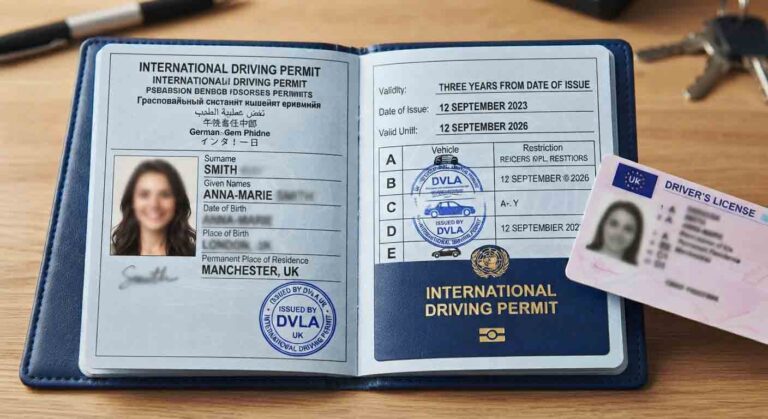
An International Driving Permit is an official document regulated by the United Nations (under the 1949 and 1968 Geneva/Vienna Conventions) that translates your domestic driver’s license into multiple languages. It serves as an internationally recognized form of identification proving you are legally licensed to operate a motor vehicle in your home country.
Ugandan Legal Requirements for Foreign Drivers
According to the traffic laws of Uganda:
- Foreign visitors are legally allowed to drive using a valid domestic driver’s license issued in English for a limited introductory period (typically up to three to six months depending on visa status).
- However, traffic police officers across Uganda strongly recommend and frequently demand an IDP alongside your national license.
- Many car rental agencies—including 4×4 Car Rentals Uganda—require proof of a valid driver’s license and often suggest carrying an IDP to satisfy local insurance requirements and avoid roadside friction with traffic authorities.
How to Obtain an IDP Before Your Trip
You cannot obtain an IDP inside Uganda as a foreign tourist; you must acquire it before departing your home country.
- In the US: Issued by organizations like AAA (American Automobile Association) or AATA.
- In the UK: Available via the Post Office.
- In Canada: Issued by the Canadian Automobile Association (CAA).
- In Australia/Europe: Issued by respective national motoring clubs (e.g., NRMA, RACV, ADAC).
Pro-Tip: Ensure your domestic license is valid for the entire duration of your stay in Uganda, and check that your IDP matches the vehicle category you intend to rent (e.g., Manual vs. Automatic transmission, or light commercial/4×4 vehicles).
2. Choosing the Right Vehicle: Why a 4×4 is Essential in Uganda
Before diving deeper into traffic rules, let’s address the vehicle itself. Driving in Uganda is vastly different from driving in North America or Europe. While major trunk roads connecting Kampala to cities like Jinja, Mbarara, and Gulu are paved and generally well-maintained, secondary roads, park tracks, and rural routes are characterized by:
- Potholes (some quite deep, famously known locally as “portholes”).
- Murram (dirt/gravel) surfaces that turn slick and muddy during the rainy seasons (March–May and October–November).
- Loose gravel, rocks, and steep inclines in mountainous regions like the Rwenzori Mountains or Kisoro.
Why Book with 4×4 Car Rentals Uganda?
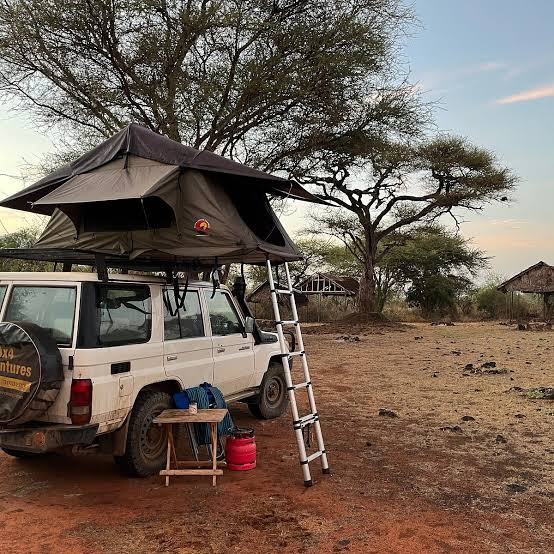
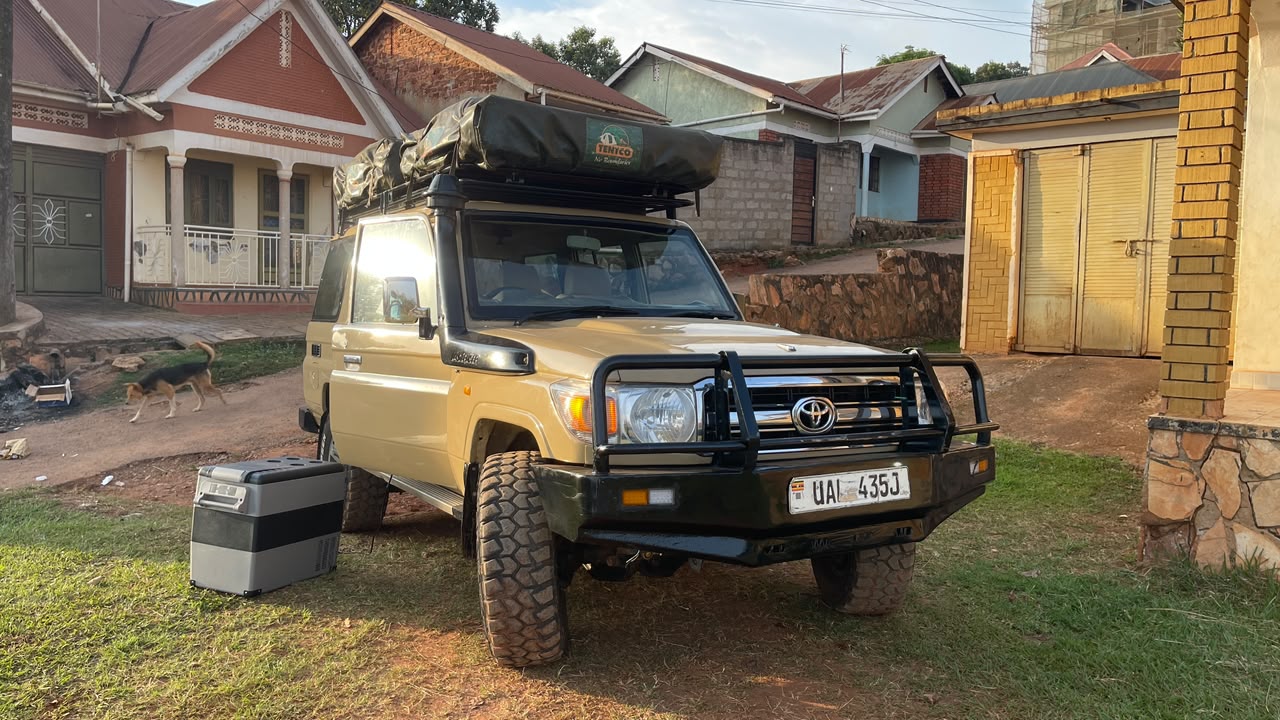
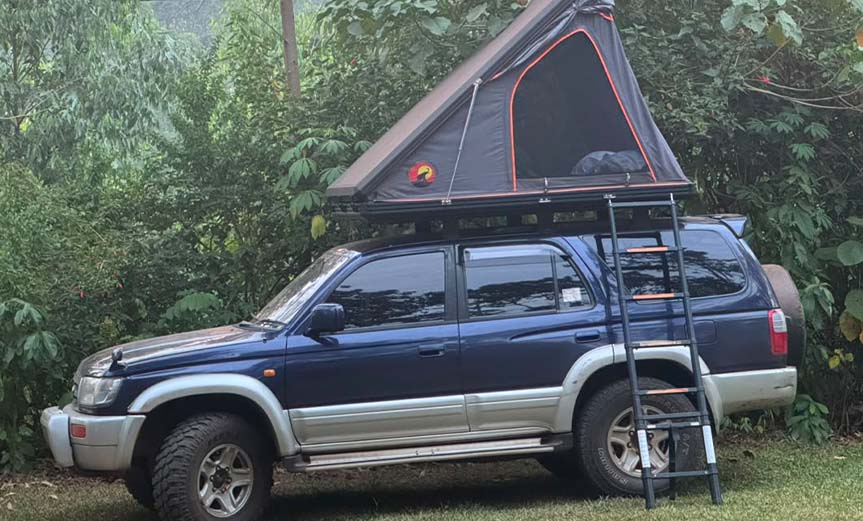
Renting a standard sedan or compact car for a Ugandan safari is a recipe for disaster. High-intent self-drivers choose 4×4 Car Rentals Uganda because our fleet consists of rugged, well-serviced vehicles—such as the Toyota Land Cruiser Prado TX/TZ, Land Cruiser V8, and custom Safari Land Cruisers equipped with pop-up roofs and dual fuel tanks.
- Higher ground clearance to clear obstacles and deep mud.
- Four-wheel drive capability to navigate slippery national park tracks.
- Reliable mechanical health, minimizing breakdown risks far from major towns.
3. Comprehensive Uganda Self-Driver’s Checklist
To ensure a smooth journey from the moment you pick up your keys at Entebbe International Airport to your final drop-off, review this step-by-step checklist.
Phase 1: Pre-Trip Documentation Checklist
- Valid National Driver’s License (must be held for at least 1 to 2 years depending on rental terms).
- International Driving Permit (IDP) (carried alongside your home license).
- Valid Passport & Ugandan Tourist Visa (East Africa Tourist Visa recommended if crossing into Rwanda or Kenya).
- International Certificate of Vaccination (Yellow Fever Card) (frequently checked at borders and recommended health precaution).
- Car Rental Agreement & Comprehensive Insurance Papers (provided by 4×4 Car Rentals Uganda).
- Emergency Contact Numbers (Rental agency support line, local police, embassy, and medical evacuation services like AMREF Flying Doctors).
Phase 2: Vehicle Inspection Checklist (At Pick-Up)
Never drive off without thoroughly inspecting your rental vehicle. Check the following:
- Tires: Inspect tread depth and check that you have two functional spare tires (crucial for rough terrain). Ensure you have a jack, wheel spanner, and lug wrench.
- Fluid Levels: Verify engine oil, coolant, brake fluid, and windshield washer fluid.
- Lights & Signals: Test high/low beams, indicators, hazard lights, reverse lights, and brake lights.
- Bodywork & Existing Scratches: Take clear photos and videos of the car’s exterior and interior with a rental representative present to note any pre-existing dents or scratches.
- Recovery Gear: Ensure the vehicle includes a tow rope, jumper cables, a wheel spade/shovel, and a fire extinguisher.
4. Understanding Ugandan Traffic Rules and Road Culture
Driving in Uganda operates under the left-hand traffic system (steering wheels are typically on the right, and cars drive on the left side of the road—a legacy of British colonial influence). If you are coming from a country that drives on the right, give yourself a few hours in a quiet area or outskirts of Kampala to adjust before hitting busy highways.
Speed Limits in Uganda
Speed limits are strictly enforced by both fixed road signs and mobile traffic police units using radar guns. Unless otherwise indicated:
- Urban Areas / Towns / Trading Centers: 50 km/h (often lower near schools and congested markets—watch out for 30 km/h zones).
- Open Highways: 80 km/h to 100 km/h.
- National Parks & Game Reserves: 25 km/h to 40 km/h (to protect wildlife and minimize dust/noise disturbance).
Key Road Rules and Etiquette
- Seatbelts are Mandatory: The driver and front-seat passengers must wear seatbelts at all times. Police will issue on-the-spot fines for non-compliance.
- No Mobile Phone Use While Driving: Using a phone for calls or texting without a hands-free bluetooth system is strictly illegal.
- Right of Way at Roundabouts: Traffic already inside the roundabout has the right of way. However, local driving culture can be assertive; signal your intentions clearly and exercise defensive driving.
- Boda Bodas (Motorcycle Taxis): These are ubiquitous across Uganda and weave aggressively through traffic on both the left and right sides. Always check your blind spots and mirrors meticulously before changing lanes or turning.
- Pedestrians and Livestock: Pedestrians, children walking to school, and free-roaming cattle, goats, and dogs frequently share the tarmac, especially near trading centers. Maintain high situational awareness.
5. Navigating Police Checkpoints and Roadblocks
As a self-driver in Uganda, you will encounter police checkpoints, highway patrols, and security stops. These are standard procedures meant to ensure public safety, check vehicle registration, and monitor compliance.
How to Handle a Police Stop Professionally:
- Remain Calm and Polite: Greet the officer respectfully (e.g., “Good morning, officer”). Politeness goes a long way in East Africa.
- Have Documents Ready: Keep your driver’s license, IDP, rental agreement, and third-party insurance documents in an easily accessible folder in the glove compartment.
- Do Not Offer Bribes: Uganda’s government and traffic directorate have clamped down heavily on corruption. Never offer a bribe. If you are issued a legitimate traffic penalty or express penalty ticket (EPS), follow the official payment channels provided by the police or your rental company.
- Vehicle Safety Checks: Officers may occasionally ask to inspect your vehicle’s mandatory safety equipment—specifically your fire extinguisher and two red warning triangles (commonly known as “Cranes” or triangles). With 4×4 Car Rentals Uganda, all mandatory safety gear is fully equipped in your vehicle.
6. Practical Tips for Long-Distance Self-Driving in Uganda
To ensure your safari runs without a hitch, keep these expert on-the-road tips in mind:
Avoid Night Driving
While driving during daylight hours is safe and rewarding, night driving in Uganda is strongly discouraged. Major hazards include:
- Unlit commercial trucks and broken-down vehicles parked on narrow shoulders without hazard lights.
- Pedestrians and cyclists wearing dark clothing walking along unlit roads.
- Potholes that are virtually invisible in the dark.
- Plan your daily itineraries to reach your lodge or campsite well before sunset (typically around 7:00 PM).
Fuel Management
While fuel stations (Shell, TotalEnergies, Petrocity) are plentiful in major towns and along primary highways, they become sparse when venturing deep into remote national parks like Kidepo Valley or remote sectors of Bwindi.
- Rule of Thumb: Never let your fuel gauge drop below the halfway mark when traveling in rural areas. Fill up whenever you pass a reputable station.
Navigation and Connectivity
Do not rely solely on offline GPS apps. While Google Maps and Maps.me are exceptionally helpful for general routing, rural road closures, bridge washouts, or park track changes happen.
- Download offline maps before your trip.
- Purchase a local SIM card (MTN or Airtel) at Entebbe Airport upon arrival for real-time mobile data connectivity.
- Consult the expert team at 4×4 Car Rentals Uganda for up-to-date route advisories and road condition reports before setting off.
Renting a vehicle and setting off on a self-drive safari in Uganda is an empowering, unforgettable adventure. By ensuring your paperwork is in order—complete with your national license and an International Driving Permit (IDP)—respecting local traffic regulations, and partnering with a trusted provider like 4x4 Car Rentals Uganda, you set the stage for a safe, smooth, and breathtaking journey.
Ready to explore the Pearl of Africa behind the wheel? Contact 4x4 Car Rentals Uganda today to book your rugged, road-ready 4x4 vehicle and start planning your ultimate Ugandan road trip!