
Southwestern Uganda safari, Gorilla Trekking in Bwindi, Queen Elizabeth & Kibale 10-Day Itinerary
The Southwestern Uganda Safari Circuit, Uganda is often called “the Pearl of Africa,” and nowhere is that title more deserved than along the Kampala – Lake Mburo – Bwindi – Queen Elizabeth – Kibale route. This is Southwestern Uganda’s premier safari circuit, a 7 to 10-day expedition that stitches together the country’s most iconic wildlife destinations into one unforgettable overland journey. Travelers who choose this route get the best of every world: the thunder of savannah game drives, the hush of misty rainforest, the thrill of eye-to-eye contact with a wild mountain gorilla, and the laughter of chimpanzees echoing through the canopy of Kibale Forest.
Unlike safari circuits in Kenya or Tanzania that focus almost exclusively on the “Big Five” and open plains, Uganda’s Southwestern Circuit is built around biodiversity in its richest, most concentrated form. In a single trip you can track two great ape species, cruise a channel teeming with hippos and crocodiles, watch lions climb fig trees in Ishasha, spot herds of impala and zebra in Lake Mburo, and drive past bubbling volcanic crater lakes on the way to the Rwenzori foothills. Few destinations on Earth pack this much ecological diversity into such a compact, drivable loop.

This guide gives you a complete, ready-to-book itinerary for the Ultimate Southwestern Safari Circuit, including a full day-by-day breakdown, practical advice on permits and pricing, the best time of year to travel, what to pack, where to sleep, and answers to the most frequently asked questions about planning a Uganda gorilla and wildlife safari. Whether you have exactly 7 days or the full 10, this itinerary is built to flex around your schedule while making sure you never miss the headline experiences: gorilla trekking in Bwindi Impenetrable National Park and chimpanzee tracking in Kibale Forest National Park, the two crown jewels of Ugandan tourism.
Southwestern Uganda rewards travelers who want more than a checklist safari. The roads wind through terraced hillsides farmed by the Bakiga people, past roadside stalls selling matooke and passion fruit, and through small trading towns where daily life continues exactly as it has for generations. This is not a sanitized, fenced-in safari experience — it is Uganda in its full, textured reality, and that authenticity is precisely what makes the Southwestern Circuit one of the most rewarding overland safaris in all of Africa.

Key Highlights of the Southwestern Uganda Safari Circuit
Before diving into the day-by-day itinerary, here is a snapshot of what makes this route the undisputed premier safari circuit in Southwestern Uganda.
- Mountain Gorilla Trekking in Bwindi Impenetrable National Park: Spend a full day hiking through one of Africa’s oldest and most biodiverse rainforests in search of a habituated mountain gorilla family. Bwindi is home to roughly half of the world’s remaining mountain gorilla population, making this the single most sought-after wildlife encounter on the African continent.
- Chimpanzee Tracking in Kibale Forest National Park: Kibale is widely regarded as the primate capital of East Africa, home to thirteen species of primates including one of the highest densities of chimpanzees anywhere in the world. A guided forest walk brings you face to face with our closest living relatives.
- Tree-Climbing Lions of Ishasha: The southern Ishasha sector of Queen Elizabeth National Park is one of only two places in Africa where lions regularly climb trees, lounging in the branches of the sprawling fig trees to escape heat and tsetse flies.
- Kazinga Channel Boat Cruise: A leisurely two-hour launch cruise along the 40-kilometer natural channel connecting Lake Edward and Lake George delivers close-up views of hundreds of hippos, Nile crocodiles, buffalo herds, and an extraordinary variety of water birds.
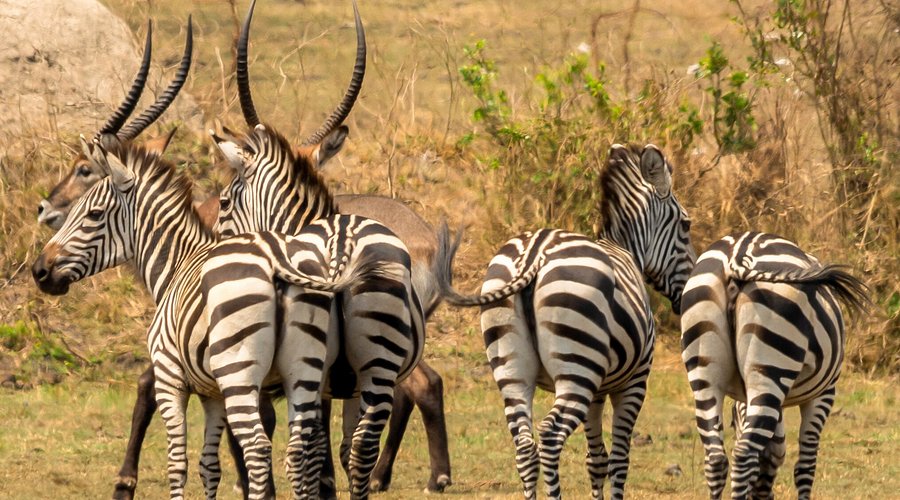
- Lake Mburo National Park Game Drives: Uganda’s smallest savannah park is also its most underrated, offering zebra, eland, impala, and the rare chance to walk on foot among grazing wildlife under the guidance of an armed ranger.
- Scenic Volcanic Landscapes: The drive between Bwindi and Queen Elizabeth National Park winds along the edge of the Albertine Rift, passing dozens of volcanic crater lakes, terraced hillsides, and sweeping views into the Democratic Republic of Congo.
- Equatorial Crossing: Mark the halfway point of the world at the Uganda Equator monument in Kayabwe, a classic photo stop with a demonstration of the Coriolis effect and roadside curio shops.
- Cultural Encounters: Meet the Batwa forest people near Bwindi, visit local Bakiga homesteads, and experience the rich cultural fabric that surrounds Uganda’s national parks.
| Route | Kampala → Lake Mburo → Bwindi → Queen Elizabeth (Ishasha) → Kibale → Kampala |
|---|---|
| Duration | 7 to 10 days (flexible) |
| Region | Southwestern Uganda / Albertine Rift |
| Signature Activities | Mountain gorilla trekking, chimpanzee tracking, Kazinga Channel cruise, tree-climbing lion game drive |
| Best Time to Visit | June–September and December–February (dry seasons) |
| Gorilla Permit Cost | ~US$800 per person (foreign non-resident) |
| Chimpanzee Permit Cost | ~US$200 per person (foreign non-resident) |
| Fitness Level | Moderate to challenging (gorilla trekking); easy to moderate (rest of circuit) |
| Starting/Ending Point | Entebbe International Airport / Kampala |
| Ideal For | Wildlife photographers, primate enthusiasts, first-time and repeat safari travelers |

Day 1: Arrival in Kampala / Entebbe
Your Ultimate Southwestern Safari Circuit begins the moment you land at Entebbe International Airport, on the shores of Lake Victoria. A driver-guide from your safari operator will meet you at arrivals and transfer you to your hotel in Entebbe or Kampala, Uganda’s vibrant, hilly capital city. Depending on your arrival time, you may have the afternoon free to relax after a long flight, or you can opt for an introductory activity such as a guided walk along the Entebbe Botanical Gardens, a visit to the Uganda Wildlife Education Centre (Entebbe Zoo) to see rescued native species up close, or a sunset cruise on Lake Victoria, the second-largest freshwater lake in the world.
This first night is also the perfect time for your guide to brief you on the days ahead: what to expect from gorilla trekking, the packing essentials for rainforest hikes, and the overall route the vehicle will take across Southwestern Uganda. Most itineraries recommend an early dinner and a good night’s sleep, since the days that follow involve long but spectacularly scenic drives.
Accommodation: A comfortable lodge or hotel in Entebbe or Kampala, ranging from mid-range guesthouses to five-star lakeside properties.

Day 2: Kampala to Lake Mburo National Park
After an early breakfast, depart Kampala and begin the drive southwest toward Lake Mburo National Park, a journey of roughly 3.5 to 4.5 hours covering about 240 kilometers. En route, you will stop at the Equator monument in Kayabwe, straddling 0 degrees latitude, for photographs and a classic water-drainage demonstration showing the Coriolis effect in action. This is one of the most photographed spots in Uganda and a fun, light-hearted way to break up the drive.
Lake Mburo National Park is Uganda’s smallest savannah park, but it punches well above its weight in scenery and wildlife density. Unlike Uganda’s other savannah reserves, Lake Mburo is one of the few parks in East Africa where visitors can go on a guided walking safari, getting remarkably close to zebra, impala, eland, topi, warthog, and buffalo on foot, accompanied by an armed Uganda Wildlife Authority ranger. In the afternoon, take a game drive through the acacia woodland and open grassland in search of zebra herds silhouetted against the rolling hills, before settling in for the night at a lodge overlooking the lake itself, where hippos often graze along the shoreline after dark.
Optional activities include a boat cruise on Lake Mburo to view hippos, crocodiles, and shoreline birdlife including the elusive African finfoot, or a visit to the Rwakobo Rock cultural community project.
Accommodation: A lodge or tented camp in or near Lake Mburo National Park, with options ranging from budget campsites to luxury eco-lodges.
Day 3: Lake Mburo to Bwindi Impenetrable National Park
This is one of the longer and most scenic driving days of the circuit, covering approximately 240 to 260 kilometers and taking around 6 to 8 hours depending on road conditions and stops. Departing Lake Mburo, the route winds through the rolling hills of the Ankole cattle-keeping region, famous for its long-horned Ankole cattle, before climbing into increasingly dramatic terrain as you approach the Kigezi Highlands, often nicknamed the “Switzerland of Africa” for their steeply terraced hillsides and cool climate.
Along the way you will pass through the town of Mbarara and continue toward the edge of the Albertine Rift Valley, where the landscape shifts dramatically from open savannah to lush, mist-covered mountains. This drive itself is a highlight of the trip, offering some of the most photogenic countryside anywhere in East Africa: patchwork farms, banana plantations, and tea estates carved into near-vertical slopes.
Arrive in Bwindi Impenetrable National Park in the late afternoon, with time to settle into your lodge and enjoy sweeping views over the ancient rainforest that gives the park its name. Bwindi’s dense, tangled vegetation genuinely lives up to the word “impenetrable,” and as dusk falls over the forest canopy, the anticipation for tomorrow’s gorilla trek begins to build. Use this evening for a briefing with your guide on trekking logistics, appropriate clothing, and what to expect.
Accommodation: A lodge on the edge of Bwindi Impenetrable National Park, with options in the Buhoma, Ruhija, Nkuringo, or Rushaga sectors depending on which sector your gorilla permit is allocated to.
Day 4: Gorilla Trekking in Bwindi Impenetrable National Park
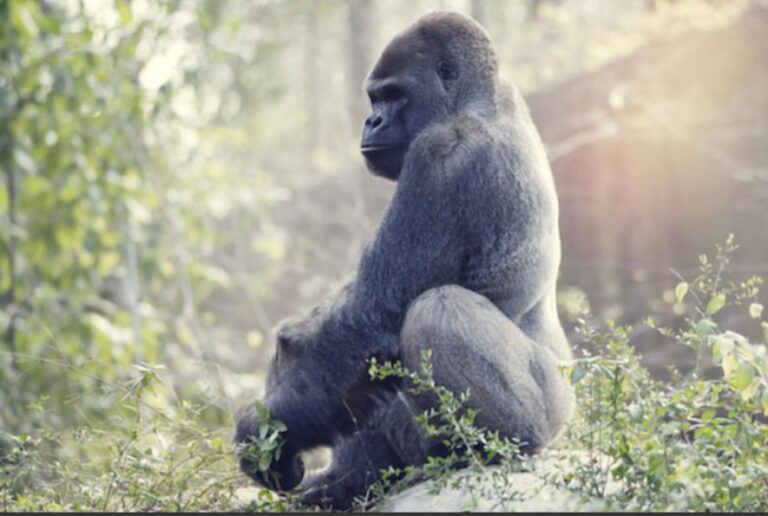
Today is the headline experience of the entire Southwestern Safari Circuit: mountain gorilla trekking. After an early breakfast, transfer to the park headquarters of your designated trekking sector for a 7:00 AM briefing from Uganda Wildlife Authority rangers, who assign trekking groups of a maximum of eight visitors to each of Bwindi’s habituated gorilla families.
The trek itself can last anywhere from 1 to 8 hours round-trip, depending on where the gorilla family has moved to overnight. Bwindi’s terrain is steep, muddy, and genuinely challenging in places, weaving through dense understory, vine tangles, and slippery volcanic soil, which is precisely why porters are highly recommended (and provide valuable income to the local community). But the physical effort dissolves the instant you round a bend in the vegetation and find yourself in the presence of a wild mountain gorilla family: a massive silverback keeping watch, mothers cradling infants, juveniles wrestling in the undergrowth.
Visitors are permitted exactly one hour with the gorillas once located, an experience many describe as one of the most profound wildlife encounters of their lives. Photography is welcome (without flash), and rangers narrate the family’s history, personalities, and social dynamics throughout the visit. After the hour concludes, trek back down to the trailhead, where a well-earned lunch and hot shower await at your lodge.
For travelers who want to go even deeper, Bwindi also offers gorilla habituation experiences in the Rushaga sector, allowing up to four hours with a gorilla family that is still being acclimatized to human presence, alongside researchers and trackers — a rarer and more intensive permit that must be booked well in advance.
Accommodation: Same lodge as Day 3, in Bwindi Impenetrable National Park.
Day 5: Bwindi to Queen Elizabeth National Park (via Ishasha Sector)
Depart Bwindi and travel north toward Queen Elizabeth National Park, one of Uganda’s most ecologically diverse protected areas. The route can be routed through the southern Ishasha sector, famous throughout Africa for its tree-climbing lions. Unlike most lion populations, which rest in the shade of grass or bushes, the lions of Ishasha have developed the unusual habit of climbing into the broad branches of sycamore fig trees, where they doze for hours, likely to escape the heat, biting insects, and to gain a vantage point over the surrounding plains.
A game drive through Ishasha’s open savannah, dotted with these iconic fig trees, offers excellent chances to spot this rare behavior, alongside herds of Uganda kob, topi, buffalo, and the occasional elephant. The drive from Bwindi to Ishasha and onward to the main Mweya area of Queen Elizabeth National Park covers varied terrain and typically takes a full day, with the game drive built directly into the journey.
Arrive at your lodge in the northern sector of Queen Elizabeth National Park by late afternoon, with time to enjoy the panoramic views over the Kazinga Channel and the volcanic peaks of the Rwenzori Mountains — the legendary “Mountains of the Moon” — visible on clear days in the distance.
Accommodation: A lodge in the Mweya, Kasenyi, or Kazinga Channel area of Queen Elizabeth National Park.
Day 6: Queen Elizabeth National Park — Game Drive and Kazinga Channel Boat Cruise
Rise early for a game drive through the Kasenyi Plains, the classic savannah heart of Queen Elizabeth National Park, where large herds of Uganda kob gather at dawn, drawing the attention of the park’s resident lion prides. This is prime time to spot lions on the hunt, along with elephants, buffalo, hyena, and a striking variety of birdlife across the open grassland.
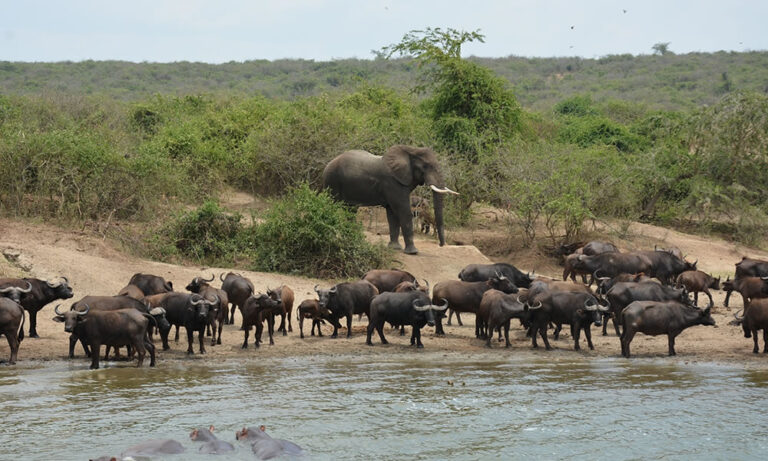
In the afternoon, board a launch for the signature Kazinga Channel boat cruise, a two-hour journey along the natural waterway that connects Lake Edward and Lake George. The channel is renowned for having one of the highest concentrations of hippopotamus in Africa, alongside enormous Nile crocodiles basking on the banks, herds of buffalo and elephant coming down to drink, and over 100 recorded bird species including African fish eagles, pelicans, kingfishers, and the rare shoebill stork in the right season. Photographers will find this cruise to be one of the most rewarding wildlife-viewing experiences of the entire circuit, offering close, unobstructed views impossible to achieve on land.
Optional afternoon or evening activities include a visit to the crater lakes region near Katwe, known for its otherworldly salt-mining lake and volcanic scenery, or a nature walk through the Maramagambo Forest.
Accommodation: Same lodge as Day 5, in Queen Elizabeth National Park.
Day 7: Queen Elizabeth National Park to Kibale Forest National Park
Depart Queen Elizabeth National Park and drive north toward Kibale Forest National Park, a journey of roughly 2 to 3 hours through the beautiful Kichwamba Escarpment, offering sweeping views back over the Rift Valley floor, the Kazinga Channel, and the distant Rwenzori range. This shorter driving day allows for a relaxed pace with plenty of photo stops.
Kibale Forest is often described as the primate capital of East Africa, home to an extraordinary density of primates within its lush, mid-altitude tropical rainforest, including one of the largest and best-habituated chimpanzee populations on the continent. Arrive at your lodge in the early afternoon with time to settle in and enjoy the forest surroundings before tomorrow’s chimpanzee tracking excursion.
For travelers with extra time, an optional afternoon nature walk or visit to nearby Bigodi Wetland Sanctuary — a community-run reserve renowned for birdlife, monkeys, and guided walks that directly benefit the local village — makes an excellent addition to this day.
Accommodation: A lodge on the edge of Kibale Forest National Park, in the Fort Portal or Kanyanchu area.

Day 8: Chimpanzee Tracking in Kibale Forest National Park
After an early breakfast, head to Kanyanchu Visitor Centre for a 8:00 AM briefing ahead of your chimpanzee tracking excursion. Kibale is home to an estimated 1,500 chimpanzees, with several habituated communities available for tracking, offering some of the highest success rates for chimpanzee sightings anywhere in Africa, typically well above 90%.
The tracking itself takes visitors deep into Kibale’s rainforest, following experienced guides who track chimpanzee calls, nests, and feeding signs. Once located, visitors are permitted one hour of observation, watching chimpanzees groom, forage, vocalize, and move through the canopy with astonishing agility. Kibale’s chimpanzee communities are known for their vocal, dramatic social interactions, and it is common to hear their distinctive pant-hoot calls echoing through the forest well before you see them.
Kibale Forest is also home to twelve other primate species, including the red colobus monkey, black-and-white colobus, grey-cheeked mangabey, and L’Hoest’s monkey, making the forest walk itself a rich wildlife experience even beyond the chimpanzees.
For a deeper experience, the Chimpanzee Habituation Experience allows visitors to spend up to four hours with researchers following a community still being acclimatized to human observation, offering a more immersive and less crowded alternative to the standard one-hour trek.
In the afternoon, unwind with an optional guided walk through the Bigodi Wetland Sanctuary, known for its boardwalk trails, eight primate species, and over 200 recorded bird species including the rare great blue turaco.
Accommodation: Same lodge as Day 7, near Kibale Forest National Park.
Day 9: Kibale to Kampala (via Crater Lakes and Fort Portal)
Depart Kibale Forest and begin the journey back toward Kampala, a drive of approximately 5 to 6 hours covering around 300 kilometers. Before leaving the region, take time to explore the Fort Portal Crater Lakes, a breathtaking landscape of over 50 volcanic crater lakes scattered across rolling green hills, remnants of ancient volcanic activity along the Albertine Rift. A short guided nature walk or scenic drive through this area offers some of the most photogenic landscapes in all of Uganda, with deep blue and green crater lakes nestled among tea plantations and forest patches.
Fort Portal town itself, often ranked among the cleanest and most attractive towns in Uganda, makes an excellent lunch stop, with views toward the snow-capped peaks of the Rwenzori Mountains on clear days. From here, the drive continues east back toward Kampala, retracing scenic countryside and giving you one last chance to absorb the landscapes of rural Uganda before returning to the bustle of the capital.
Arrive back in Kampala or Entebbe in the evening, with time for a farewell dinner reflecting on nine days of extraordinary wildlife encounters, from mountain gorillas and chimpanzees to tree-climbing lions and hippo-filled channels.
Accommodation: A hotel or lodge in Kampala or Entebbe.
Day 10: Departure
Enjoy a relaxed final morning in Kampala or Entebbe. Depending on your flight schedule, use this time for last-minute souvenir shopping at a local craft market, a visit to the Uganda Museum for a deeper dive into the country’s history and culture, or simply a quiet breakfast overlooking Lake Victoria. Your driver-guide will transfer you to Entebbe International Airport in good time for your onward flight, bringing the Ultimate Southwestern Safari Circuit to a close.
For travelers on a 7-day version of this itinerary, Days 1, 9, and 10 are typically compressed: arriving and departing more efficiently, and driving directly from Kibale back to Entebbe on the final day without an overnight stop in Kampala. An 8-day version generally drops the second night in Queen Elizabeth National Park, combining the game drive and boat cruise into a single, fuller day.
Ready to Explore the Pearl of Africa?
Let our local experts handle the details, including seamless gorilla trekking permits acquisition so you can focus on the journey.
Our 4×4 Fleet Gallery


The Complete Guide to Gorilla Trekking in Bwindi Impenetrable National Park
Mountain gorilla trekking is, without question, the single biggest draw of the Southwestern Uganda Safari Circuit, and understanding how it works will help you plan a smoother, more rewarding trip. Bwindi Impenetrable National Park, a UNESCO World Heritage Site, spans 321 square kilometers of ancient, biologically diverse rainforest in the Kigezi Highlands, and is home to roughly half of the world’s remaining mountain gorilla population — a species found in only three countries on Earth: Uganda, Rwanda, and the Democratic Republic of Congo.

Gorilla permits in Uganda are issued by the Uganda Wildlife Authority and are strictly limited to eight visitors per habituated gorilla family, per day, across Bwindi’s four trekking sectors: Buhoma, Ruhija, Rushaga, and Nkuringo. This limit exists to minimize stress on the gorillas and reduce the risk of disease transmission between humans and these genetically close relatives, who can contract many human illnesses. As of the most recent pricing, a standard gorilla trekking permit costs approximately 800 USD per person for foreign non-residents, 700 USD for foreign residents, and a discounted rate for East African citizens; prices should always be reconfirmed directly with the Uganda Wildlife Authority or a licensed tour operator, as rates are periodically revised.
Because permits are limited and in extremely high demand, especially during the June-to-September and December-to-February peak seasons, it is strongly recommended to book gorilla permits at least 3 to 6 months in advance, and ideally even earlier for travel during peak periods or around Christmas and New Year. Your safari operator will typically handle this booking process on your behalf as part of arranging your Southwestern Circuit itinerary.
Physical fitness matters for gorilla trekking, though it is achievable by most reasonably healthy travelers regardless of age. Treks range from a relatively easy one-hour walk to a demanding six-to-eight-hour hike over steep, muddy, and densely vegetated terrain, depending on where the gorilla family has moved overnight — a factor entirely outside anyone’s control. Hiring a porter (typically 15 to 20 USD, negotiated locally) is highly recommended for all fitness levels; porters carry your daypack, offer a steadying hand on difficult terrain, and their fees directly support the local community, many of whom are former poachers now employed in conservation tourism.
Once your trekking group locates the gorilla family, you are permitted exactly 60 minutes in their presence, though this hour will feel both timeless and impossibly short. Rangers enforce a minimum distance guideline (typically 7 meters) to protect both visitor and gorilla health, though wild gorillas frequently choose to approach much closer on their own terms. Photography without flash is welcome, and most visitors find that after the first few minutes, the urge to constantly photograph gives way to simply watching, absorbing an experience that ranks among the most moving wildlife encounters available anywhere on the planet.
Chimpanzee Tracking in Kibale Forest: What to Expect
If Bwindi is Uganda’s gorilla capital, Kibale Forest National Park is unquestionably its primate capital. This 795-square-kilometer expanse of moist evergreen and semi-deciduous forest, straddling the equator in western Uganda, holds the highest primate density and diversity of any East African forest, with thirteen confirmed primate species living within its boundaries, including one of the largest habituated chimpanzee populations on Earth.

Chimpanzee tracking permits cost significantly less than gorilla permits, generally around 200 USD per person for foreign non-residents, making Kibale an accessible and high-value addition to any Southwestern Circuit itinerary. Tracking begins each morning at 8:00 AM from the Kanyanchu Visitor Centre, with an experienced ranger-guide leading small groups into the forest to locate one of Kibale’s habituated chimpanzee communities.
Sighting success rates in Kibale consistently exceed 90%, among the highest of any chimpanzee tracking destination in Africa, thanks to decades of dedicated habituation work by researchers from the nearby Kibale Chimpanzee Project. Treks are generally shorter and less physically demanding than Bwindi’s gorilla treks, typically lasting 2 to 4 hours round-trip over comparatively gentler terrain, making this an excellent activity for travelers of varying fitness levels or those looking for a slightly less strenuous primate encounter.
Beyond chimpanzees, keep an eye out for red colobus monkeys, black-and-white colobus, grey-cheeked mangabeys, L’Hoest’s monkeys, blue monkeys, and the diminutive, nocturnal potto. Birdwatchers will also find Kibale rewarding, with over 375 recorded bird species including the elusive green-breasted pitta and African pitta.
Best Time to Visit Southwestern Uganda
The Southwestern Uganda Safari Circuit is a rewarding destination year-round, but timing your trip strategically can significantly improve both wildlife viewing and trekking comfort. Uganda’s climate is broadly divided into two dry seasons and two rainy seasons, and understanding this pattern will help you decide when to travel.
The two dry seasons — from June to September and from December to February — are considered the best overall time to visit for gorilla and chimpanzee tracking, as trails through Bwindi and Kibale are less muddy and slippery, making the physical trekking noticeably easier. These periods also coincide with generally clearer skies for photography and scenic drives through the crater lake region. Because they are the most popular travel windows, gorilla permits during these months sell out fastest and should be booked well in advance.
The rainy seasons — roughly March to May and October to November — bring lusher, greener landscapes and noticeably fewer tourists, which can translate to more availability for permits and lodges, along with occasionally discounted rates at some properties. Wildlife viewing in Queen Elizabeth and Lake Mburo National Parks remains excellent throughout the rains, and gorilla and chimpanzee trekking still operate year-round; the primary trade-off is muddier trails and the possibility of afternoon downpours, which experienced trekkers often find a manageable and even atmospheric part of the rainforest experience.
For birdwatchers, the months of November through April are particularly rewarding, coinciding with the arrival of Palearctic migrant species that supplement Uganda’s already extraordinary resident bird population, particularly around the Kazinga Channel and Bigodi Wetland Sanctuary.

What to Pack for the Southwestern Uganda Circuit
Packing correctly makes a meaningful difference in comfort and enjoyment across this itinerary’s mix of rainforest trekking, savannah game drives, and boat cruises. For gorilla and chimpanzee trekking specifically, sturdy waterproof hiking boots with good ankle support are essential, as trails through Bwindi and Kibale are frequently steep, muddy, and root-strewn regardless of season.
Long-sleeved shirts and long trousers in neutral, earthy tones (avoiding bright colors and camouflage, the latter of which is restricted for civilians in Uganda) protect against stinging nettles, thorny vegetation, and biting insects while trekking. Gardening-style gloves are a small but genuinely useful addition for gripping vegetation on steep sections. A lightweight, packable rain jacket is essential year-round, since Bwindi and Kibale are rainforests and showers can occur even in the dry season.
Other key packing items include: a daypack for water, snacks, and camera gear during treks; insect repellent containing DEET; sunscreen and a sunhat for game drives; binoculars, which dramatically enhance both primate trekking and birdwatching; a good camera with a zoom lens (flash photography is prohibited during gorilla and chimpanzee encounters); gaiters for muddy trail sections; and a reliable pair of trekking poles, often available for hire at trailheads. Malaria prophylaxis, a basic personal first-aid kit, and any personal medications should also be packed, along with proof of yellow fever vaccination, which is required for entry into Uganda.

Where to Stay: Accommodation Along the Circuit
One of the great strengths of the Southwestern Uganda Safari Circuit is the sheer range of accommodation available at every price point, allowing travelers to tailor the experience to their preferred style of travel without compromising on the itinerary’s core wildlife highlights.
In Lake Mburo National Park, options range from rustic tented camps directly inside the park boundary to comfortable lodges overlooking the lake, where hippos and buffalo are frequently visible from your veranda. Around Bwindi Impenetrable National Park, accommodation is clustered near each of the four trekking sectors (Buhoma, Ruhija, Rushaga, and Nkuringo), with luxury eco-lodges built directly into the forest edge offering some of the most spectacular views in the entire circuit, alongside excellent mid-range and budget guesthouse options.
Queen Elizabeth National Park offers everything from safari tented camps along the Kazinga Channel, where hippos graze just meters from your tent at night, to established properties near Mweya Peninsula with sweeping views over the channel and distant Rwenzori Mountains. Kibale Forest’s lodges are generally smaller and more intimate, often family-run, nestled directly against the forest boundary with the sounds of chimpanzees and birdlife providing a constant natural soundtrack.
Regardless of budget level, booking accommodation well in advance is strongly recommended, particularly for travel during the June-to-September and December-to-February peak seasons, when the best-located properties near each park’s trailheads fill up months ahead of time.
Health, Safety, and Travel Preparation
Uganda is a generally safe and welcoming destination for international travelers, and the Southwestern Circuit’s national parks are well-established, professionally managed tourism destinations visited by hundreds of thousands of travelers each year. That said, sensible preparation is essential for any African safari.
Yellow fever vaccination is a mandatory entry requirement for Uganda, and travelers should carry their International Certificate of Vaccination as proof. Malaria is present throughout the country, so antimalarial prophylaxis, insect repellent, and mosquito-net-equipped accommodation are all recommended precautions. A pre-travel consultation with a travel medicine clinic is advisable at least 4 to 6 weeks before departure to review recommended vaccinations, which may also include hepatitis A and B, typhoid, and routine boosters.
Because mountain gorillas share close to 98% of human DNA, they are susceptible to many human respiratory illnesses, and Uganda Wildlife Authority regulations prohibit anyone showing symptoms of cold, flu, or other contagious illness from trekking on a given day (permits can typically be rescheduled in genuine cases). Travelers should also maintain the mandated minimum viewing distance from gorillas and chimpanzees at all times, both for their own safety and to protect these endangered populations.
Comprehensive travel insurance covering medical evacuation is strongly recommended for any Uganda safari, given the remote nature of some park locations. Reputable tour operators provide experienced, professionally trained driver-guides who are well-versed in first-aid and emergency protocols, adding an important layer of safety throughout the circuit.
Frequently Asked Questions About the Southwestern Uganda Safari Circuit
Q: How many days do I need for the Southwestern Uganda Safari Circuit?
A: Most travelers complete this circuit in 7 to 10 days. Ten days allows for a relaxed pace with two full days at Queen Elizabeth National Park; 7 days is achievable by compressing driving days and combining activities, though it results in less flexibility for weather delays or extended wildlife viewing.
Q: Can I do this itinerary without gorilla trekking?
A: Yes. Some travelers replace gorilla trekking with additional time at Queen Elizabeth National Park, Lake Mburo, or an extra day of chimpanzee tracking in Kibale, given the significant cost difference between gorilla and chimpanzee permits. However, most visitors consider gorilla trekking the unmissable highlight of the entire route.
Q: Is gorilla trekking safe and suitable for older travelers or families?
A: Gorilla trekking is generally safe and accessible to a wide range of ages and fitness levels, with the Uganda Wildlife Authority able to assign less physically demanding trekking routes where possible for travelers with mobility considerations. Children under 15 are not permitted to trek gorillas, though Kibale’s chimpanzee tracking has a lower minimum age in most cases; always confirm current age policies with your operator.
Q: Should I book Bwindi or Rwanda’s Volcanoes National Park for gorilla trekking?
A: Both destinations offer outstanding gorilla trekking. Uganda’s Bwindi permits are generally less expensive than Rwanda’s, and Uganda’s Southwestern Circuit allows travelers to combine gorillas, chimpanzees, and classic savannah safari within one country, making it an efficient and highly cost-effective choice for a comprehensive primate-and-wildlife trip.
Q: What is the best sector of Bwindi to choose for gorilla trekking?
A: Buhoma is the most established and accessible sector with a well-developed network of lodges. Ruhija offers cooler, higher-altitude trekking. Rushaga has the greatest number of habituated families and hosts the Gorilla Habituation Experience. Nkuringo is known for dramatic scenery but steeper terrain. Your tour operator will typically recommend a sector based on your fitness level and lodge preferences.
Q: How far in advance should I book gorilla permits?
A: At least 3 to 6 months in advance is strongly recommended, and even further ahead for travel during June-September, December-February, or around major holidays, when permits routinely sell out.
Q: Is it possible to combine this circuit with Rwanda or the DRC?
A: Yes. Many travelers extend the Southwestern Circuit with a border crossing into Rwanda to visit Volcanoes National Park, or combine it with Uganda’s Kigezi region and Lake Bunyonyi. Cross-border logistics should be arranged through your tour operator well in advance.
Q: What currency should I bring and are US dollars accepted?
A: The Uganda Shilling (UGX) is the local currency, but US dollars are widely accepted for major expenses such as park fees, permits, and lodge payments, provided notes are dated 2013 or later and in good condition. ATMs are available in larger towns, and it is wise to carry a mix of cash and cards.
Q: Do I need a visa to visit Uganda?
A: Most travelers require a visa to enter Uganda, obtainable online in advance through the official Uganda e-visa portal, or in some cases on arrival at Entebbe International Airport. Requirements vary by nationality, so travelers should confirm current visa policy well ahead of departure.
Q: What is the best way to book this itinerary?
A: Booking through a licensed, reputable Uganda-based tour operator or a specialist East Africa safari agency is the recommended approach, as they handle permit reservations, park logistics, and vehicle arrangements, and can tailor the exact day-by-day route to your travel dates, budget, and interests.
Ready to Explore the Pearl of Africa?
Let our local experts handle the details, including seamless gorilla trekking permits acquisition so you can focus on the journey.