
The 4×4 Kidepo Wilderness Expedition and Self-Drive Uganda Safari
The Kidepo Uganda Safari: If you are searching for the best Kidepo Uganda safari itinerary, the most remote wildlife destination in East Africa, or a genuine off-grid overland expedition through Northern Uganda, the Kidepo Remote Wilderness Expedition is the answer. This 6 to 8-day overland journey from Kampala through Gulu and Kitgum into Kidepo Valley National Park is widely regarded by safari experts, travel bloggers, and repeat visitors as Uganda’s — and arguably Africa’s — last great untouched wilderness experience. While Uganda’s southwestern parks attract the majority of tourists chasing mountain gorillas and chimpanzees, Kidepo Valley National Park remains gloriously uncrowded, delivering big-game densities that rival the Serengeti and the Maasai Mara without the tour-van traffic jams.
This comprehensive guide covers everything you need to plan the perfect Kidepo expedition: the full overland route from Kampala to Kidepo National Park, realistic day-by-day duration options ranging from a fast-paced 6-day itinerary to an unhurried 8-day cultural and wildlife immersion, every lodging and camping option available inside and around the park, and the practical logistics — vehicle requirements, best travel seasons, and packing essentials — that make or break a Northern Uganda safari.
Why Choose the Kidepo Remote Wilderness Expedition?
Kidepo Valley National Park sits in Uganda’s far northeastern corner, wedged between South Sudan and Kenya, roughly 700 kilometers from Kampala. That distance is precisely what makes it special. Because so few travelers make the journey, Kidepo offers an authentic, unfiltered wilderness experience that has all but disappeared from Africa’s more accessible safari circuits.
1. Unrivaled Big Game Viewing
Kidepo Valley National Park is home to over 77 recorded mammal species — more than any other Ugandan national park except Queen Elizabeth. The Narus Valley, the park’s dry-season wildlife hub, hosts massive buffalo herds numbering in the hundreds, prides of lion that are frequently seen lounging on rocky kopjes, and Uganda’s only confirmed population of cheetah. Add to this Rothschild’s giraffe, Burchell’s zebra, spotted hyena, side-striped jackal, bat-eared fox, and enormous flocks of ostrich striding across golden savannah plains framed by the jagged Morungole and Lomej mountain ranges, and you have a big-game viewing experience that consistently earns Kidepo comparisons to the Serengeti — minus the crowds.
2. Authentic Cultural Encounters
Beyond the wildlife, the Kidepo Remote Wilderness Expedition offers something increasingly rare in African tourism: genuine, unstaged cultural contact. The Karamojong, a semi-nomadic pastoralist people closely related to Kenya’s Maasai and Turkana, inhabit the plains surrounding the park and maintain a cattle-centered way of life largely unchanged for generations. Deeper into the Morungole Mountains live the Ik, one of Uganda’s smallest and most isolated ethnic groups, whose traditional highland villages and subsistence farming practices offer a rare window into a vanishing way of life. Guided cultural visits to Karamojong manyattas (homesteads) and Ik villages are among the most highly rated activities by travelers who complete the full 7- or 8-day itinerary.
3. True Off-Grid, 4×4 Overland Adventure
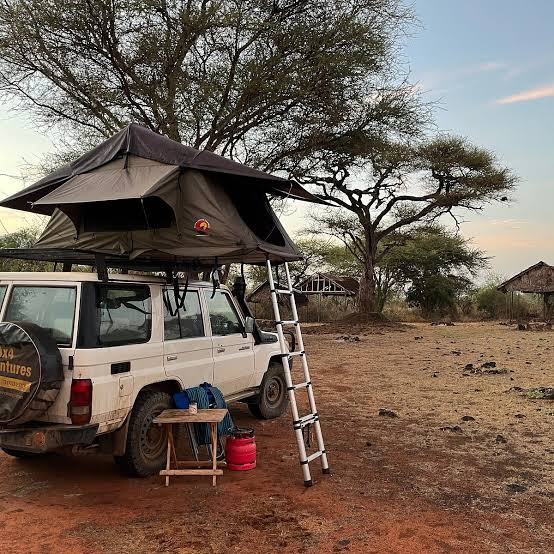
This is not a paved-highway safari. The journey north from Kampala through Gulu and Kitgum traverses some of Uganda’s most scenic and least developed terrain, crossing the Karuma Falls region, the wide plains of Acholiland, and the final rugged ascent into the Kidepo basin. A sturdy 4×4 safari vehicle — ideally with a pop-up roof for game viewing — or an experienced local driver-guide is essential, particularly once you leave the tarmac beyond Kitgum. For overlanders and self-drive enthusiasts, this stretch of road is itself part of the adventure: remote trading towns, sweeping savannah vistas, and a palpable sense of leaving the tourist trail behind.
Kidepo Expedition Duration Options: How Many Days Do You Need?
One of the most common questions travelers ask when planning a Kidepo safari is simple: how many days do I actually need? The honest answer depends on your travel style, budget, and appetite for long drive days versus unhurried game viewing. Below is a breakdown of every realistic duration option for the Kidepo Remote Wilderness Expedition.
| Itinerary Length | What It Covers |
|---|---|
| 5 Days | Express version by charter flight into Kidepo Airstrip — 3 full game-viewing days, minimal driving. Best for time-limited travelers. |
| 6 Days | Overland by road with one overnight stop in Gulu or Kitgum each way, plus 2 full game days in Kidepo. The most common configuration. |
| 7 Days | Adds an extra Kidepo game-viewing day or a half-day Karamojong/Ik cultural village visit without rushing the return drive. |
| 8 Days | The definitive Kidepo Remote Wilderness Expedition — extra buffer days for Gulu/Kitgum cultural stops, a full cultural immersion day, and 3+ unhurried game drives. |
For most travelers, the 6-day itinerary strikes the ideal balance between logistics and immersion, while serious wildlife photographers and cultural travelers consistently recommend the full 8-day expedition to properly experience both the Narus Valley’s game drives and the Karamojong/Ik cultural encounters without feeling rushed on the long overland transfer.


Full Day-by-Day Kidepo Overland Itinerary (8-Day Version)
The following expanded 8-day itinerary can be compressed into 7 or 6 days by combining travel days or reducing cultural stops, depending on your schedule.
Day 1: Kampala to Gulu
Depart Kampala early in your 4×4 safari vehicle, crossing the Nile at Karuma Falls before continuing north into Acholiland. Arrive in Gulu town by late afternoon, with time to explore this historic Northern Ugandan hub, visit local markets, and settle into your guesthouse for the night.
Day 2: Gulu to Kitgum / Kidepo Approach
Continue north from Gulu toward Kitgum, optionally stopping at cultural or historical sites en route. From Kitgum, push on through increasingly remote and scenic terrain toward the Kidepo Valley National Park boundary, arriving at your chosen lodge or campsite in time for a late-afternoon game drive in the Narus Valley.
Days 3–5: Full Kidepo Valley National Park Immersion
These are your core wildlife and cultural days, structured around early-morning and late-afternoon game drives when animals are most active:
- Morning Game Drives: Track lion prides, buffalo herds, and Kidepo’s elusive cheetah across the Narus Valley’s open plains.
- Midday Rest: Retreat to your lodge or camp during the heat of the day — many properties offer pool decks or shaded verandas overlooking the valley.
- Cultural Immersion Day: Visit a Karamojong manyatta to learn about pastoralist traditions, cattle culture, and beadwork, or arrange a guided excursion into the Morungole foothills to meet the Ik community.
- Afternoon/Evening Game Drives: Explore the remote Kanangorok Hot Springs area near the South Sudan border or the less-visited Kidepo Valley itself for a true off-the-beaten-path experience.
- Sundowners & Night Skies: Kidepo’s remoteness means minimal light pollution — evenings under the stars are a highlight travelers repeatedly cite as unforgettable.
Day 6: Kidepo to Kitgum
Begin the return journey with a final morning game drive before departing the park, breaking the long drive back with an overnight stop in Kitgum.
Day 7: Kitgum to Gulu
Continue the return leg to Gulu, with optional stops at cultural or memorial sites in the region, and a final night before the last stretch back to the capital.
Day 8: Gulu to Kampala
Depart Gulu for the final drive south, crossing back over the Nile at Karuma before arriving in Kampala by evening, concluding the Kidepo Remote Wilderness Expedition.
Compressing to 6 days: combine Days 1–2 into a single, longer drive day to Kidepo, and combine Days 6–8 into two return days — reducing the trip to two full game-viewing days inside the park while retaining the core overland experience.
Ready to Experience Kidepo? Choose Your Adventure Style
Two ways to take on the Kidepo Remote Wilderness Expedition — pick the one that matches your travel style.
🔑 Self-Drive Adventure
Confident behind the wheel and craving total freedom? Rent a fully-equipped 4×4 safari vehicle and navigate the Kampala–Gulu–Kitgum–Kidepo route at your own pace, stopping wherever the wilderness calls.
🧭 Guided Safari
Prefer to sit back and let an expert handle the remote roads, park permits, and wildlife tracking? Book a private safari vehicle with an experienced Northern Uganda driver-guide who knows Kidepo's back roads, best game-viewing spots, and cultural contacts inside out.
Where to Stay: Kidepo Lodging and Camping Options
Accommodation in and around Kidepo Valley National Park ranges from luxury tented lodges with infinity views to no-frills self-catering campsites for hardcore overlanders. Because Kidepo receives far fewer visitors than Uganda’s other parks, availability is limited and advance booking is strongly recommended, particularly during the June–August and December–March peak dry seasons.
| Property | Category | Why Stay Here |
|---|---|---|
| Property Apoka Safari Lodge | Category Luxury | Why Stay Here Uganda Wildlife Authority's flagship lodge perched on a rocky outcrop above the Narus Valley, offering infinity-edge views, en-suite stone cottages, and a swimming pool overlooking grazing buffalo. |
| Property Nga'Moru Wilderness Camp | Category Mid-Range | Why Stay Here A community-linked eco-camp built from local stone with wide verandas facing the Napore Mountains; known for warm hospitality and genuinely dark night skies. |
| Property Kidepo Savannah Lodge | Category Mid-Range to Luxury | Why Stay Here Solar-powered safari tents with private decks overlooking the Narus plains, ideal for travelers wanting comfort without losing the wilderness feel. |
| Property Adere Safari Lodge | Category Mid-Range | Why Stay Here Set on high ground with sweeping valley views, thatched cottages, and a relaxed bush-bar atmosphere for evening game recaps. |
| Property UWA Public Campsite (Apoka) | Category Budget Camping | Why Stay Here Uganda Wildlife Authority-managed self-catering campsite inside the park, with basic ablution blocks — the go-to option for overland and budget expeditions. |
| Property Nga'Moru / Kakine Mobile Tented Camps | Category Budget to Mid-Range Camping | Why Stay Here Fully-equipped dome or safari tents with bedding, pillows, and a dedicated camp crew handling cooking and setup — comfort camping without the price tag of a lodge. |
| Property Gulu & Kitgum Town Guesthouses | Category Budget Transit Stops | Why Stay Here Practical overnight stops en route (Acholi Ber Resort Hotel, Bomah Hotel, Bomia Hotel) that break the long drive and add optional genocide-memorial and cultural-site visits. |
Choosing Between Lodging and Camping
Travelers weighing comfort against budget should consider the following:
- Choose a luxury or mid-range lodge if: you want private en-suite accommodation, reliable hot water, a pool, and minimal logistical hassle after long drive days.
- Choose a mobile tented camp if: you want the atmosphere of sleeping under canvas in the wilderness with the convenience of a dedicated camp crew handling meals, bedding, and setup.
- Choose the UWA public campsite if: you are a self-sufficient overlander or budget traveler comfortable bringing or renting your own camping gear, and want the lowest-cost way to experience Kidepo.
How to Get to Kidepo Valley National Park
There are two primary ways to reach Kidepo Valley National Park from Kampala, and combining both on the outbound and return legs is a popular strategy for travelers with limited time.
Overland by 4×4 (The Full Expedition Route)
The classic route runs Kampala → Karuma Falls → Gulu → Kitgum → Kidepo Valley National Park, covering roughly 700 kilometers (435 miles) one way. Road conditions are paved as far as Kitgum, transitioning to unpaved, occasionally rough terrain for the final approach into the park. A high-clearance 4×4 vehicle, or better yet, an experienced local driver-guide familiar with the route, is essential — especially in the wet season when sections can become difficult to navigate.
By Air (Fly-In Option)
Scheduled and chartered light-aircraft flights connect Entebbe/Kajjansi to the Kidepo Airstrip in roughly 1.5 hours, bypassing the long overland drive entirely. Many travelers on tighter schedules fly in and either fly out again or combine the flight with an overland return journey to experience Northern Uganda’s scenery on at least one leg of the trip.
Best Time to Visit Kidepo Valley National Park
Timing your Kidepo expedition correctly significantly affects both game viewing quality and road conditions.
- Dry Seasons (June–August & December–March): The best time for game viewing, as wildlife concentrates around the Narus Valley’s permanent water sources. Roads are also in their best condition, making the overland drive faster and more comfortable.
- Green/Wet Seasons (April–May & September–November): Fewer travelers, lush dramatic scenery, and peak birdwatching conditions with over 475 recorded species — but expect muddier roads and a genuine need for a capable 4×4 and experienced driver.

What to Pack for the Kidepo Remote Wilderness Expedition
- Neutral-colored, lightweight safari clothing for game drives (mornings and evenings can be cool)
- A wide-brimmed hat, high-SPF sunscreen, and polarized sunglasses for the open savannah sun
- Binoculars and a telephoto camera lens — game viewing distances in Kidepo’s open plains can be greater than in forested parks
- A reliable power bank, as electricity at remote camps and lodges may be solar-powered and limited
- Cash in Ugandan shillings, as card facilities are unreliable this far from Kampala
- A basic medical kit, anti-malarial medication, and a reusable water bottle
- For campers: a good sleeping bag, headlamp, and insect repellent, even if using a serviced mobile camp
Frequently Asked Questions About the Kidepo Uganda Safari
Is Kidepo Valley National Park worth the long drive from Kampala?
Yes. Kidepo Valley National Park is consistently ranked among Africa’s most spectacular yet least-visited parks. The 10–11 hour drive (or a short charter flight) rewards travelers with vast, uncrowded savannah, dramatic mountain backdrops, and wildlife densities that rival the Serengeti — without the crowds of Uganda’s more accessible parks.
What is the best time to visit Kidepo National Park?
The dry seasons — June to August and December to March — offer the best game viewing, easier road conditions, and reliable access to the Narus Valley’s concentrated wildlife. The green season (April–May, September–November) brings dramatic scenery and birdlife but rougher roads.
Do I need a 4×4 vehicle to reach Kidepo?
A sturdy 4×4 safari vehicle or an experienced driver-guide is strongly recommended, and essential during the rainy season. The route through Northern Uganda includes long stretches of unpaved and occasionally rough road, particularly the final approach into the park.
Can I fly to Kidepo instead of driving?
Yes. Scheduled and chartered flights operate from Kajjansi/Entebbe to Kidepo Airstrip, cutting travel time to around 1.5 hours. Many travelers combine a fly-in with an overland return, or vice versa, to experience both Northern Uganda’s road culture and the convenience of flying.
What wildlife can I expect to see in Kidepo Valley National Park?
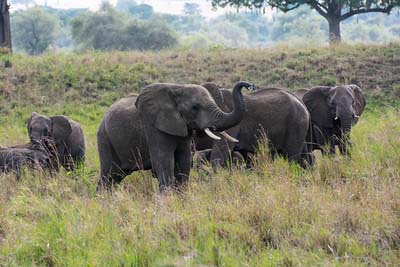
Kidepo is home to over 77 mammal species, including large buffalo herds, lion, cheetah (found nowhere else in Uganda), leopard, Rothschild’s giraffe, Burchell’s zebra, ostrich, and elephant, alongside more than 475 recorded bird species.
Is camping available inside Kidepo Valley National Park?
Yes. The Uganda Wildlife Authority operates a public self-catering campsite at Apoka, and several operators run fully-serviced mobile tented camps with beds, bedding, and camp staff for travelers who want a camping experience without sacrificing comfort.
Are cultural visits to the Karamojong and Ik communities included?
Cultural encounters with the Karamojong (a semi-nomadic pastoralist people) and the Ik (one of Uganda’s smallest and most remote ethnic groups, living in the Morungole Mountains) can be built into 6-, 7-, and 8-day itineraries as guided community visits.
Ready to Explore Africa's Last True Wilderness?
The Kidepo Remote Wilderness Expedition is not just another Uganda safari — it is a genuine overland adventure into one of the last places in East Africa where you can watch lions stalk buffalo across untouched savannah without another vehicle in sight, share a fire with Karamojong herders, and fall asleep under some of the darkest, clearest night skies left on the continent.
Whether you choose the fast-paced 6-day itinerary or the immersive full 8-day cultural and wildlife expedition, and whether you sleep in an infinity-view luxury lodge or a canvas tent under the stars, Kidepo Valley National Park delivers an off-grid safari experience that Uganda's more famous parks simply cannot match.
Start planning your Kidepo Remote Wilderness Expedition today — choose your duration, select your lodging or camping style, and prepare for the ultimate Northern Uganda overland adventure.