
Book a Gorilla Trekking Permit in Uganda and a Gorilla Safari
Ready to look a mountain gorilla in the eye? Are you ready to book your gorilla trekking permit? There are fewer than 1,100 mountain gorillas left on Earth, and more than half of them live right here in Uganda — in the misty, vine-tangled slopes of Bwindi Impenetrable National Park and the volcanic foothills of Mgahinga Gorilla National Park. Every gorilla permit is limited, every trekking group is capped at eight people, and every day the demand for gorilla trekking Uganda safaris climbs higher. This page is your one-stop hub to book a gorilla permit in Uganda, understand exactly what you’re paying for, meet the expert safari guides who will walk you into the forest, and choose from five ready-made gorilla trekking itineraries built by people who do this for a living.
Whether you want a fast 3-day gorilla trekking dash from Entebbe, a full primate safari that combines gorillas and chimpanzees, or a self-drive 4×4 adventure through Uganda’s national parks, everything you need to plan, book, and confirm your Uganda gorilla safari is on this page — and everything you need to customize it (your own booking form, accommodation picks, camping sites, and packing list) has a clearly marked space below, ready for your content team to drop in.
This page is built specifically for the traveler at the bottom of the funnel — the one who has already decided Uganda is the destination and is ready to lock in dates, a guide, a vehicle, and a bed for the night. That’s why you’ll find real pricing, real booking steps, and real itineraries below, alongside clearly marked spaces where our team drops in live availability, property listings, and your direct booking form.

Fill the Form to Book your Gorilla Trekking Permit and Tour

“Gorilla permits sell out months in advance during peak season (June–September and December–February). The single biggest mistake travelers make is waiting too long to book. Secure your permit first — build your itinerary around it, not the other way around.”
What Is a Uganda Gorilla Trekking Permit?
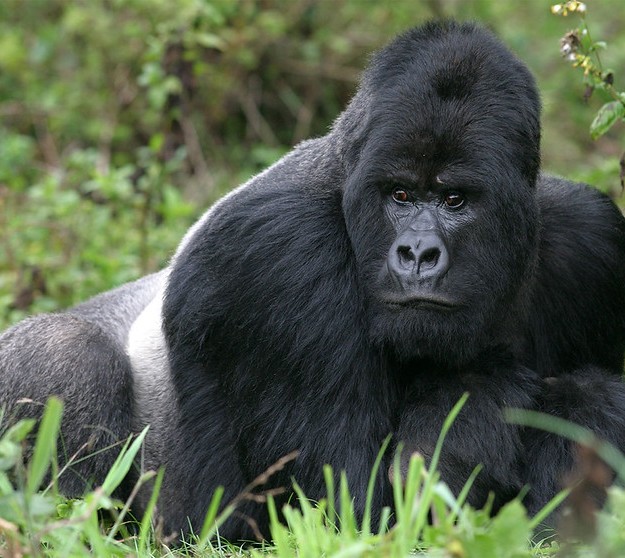
A Uganda gorilla trekking permit is an official document issued by the Uganda Wildlife Authority (UWA) that grants you a single, one-hour visit with a habituated mountain gorilla family in either Bwindi Impenetrable National Park or Mgahinga Gorilla National Park. It is, without exaggeration, one of the most tightly rationed wildlife experiences on the planet.
Only eight permits are released per gorilla family, per day, and Bwindi has roughly 20+ habituated families spread across its four trekking sectors, while Mgahinga has one. That means the total daily allocation of gorilla trekking permits in Uganda is limited to a few hundred — far fewer than the number of travelers who want one during peak months. Your permit covers:
- Entry into the national park for the day of your trek
- A ranger-guided trek to a specific habituated gorilla family
- Armed ranger escort for safety (buffalo, forest elephant, and other wildlife share the same trails)
- A strict, non-negotiable 60 minutes in the physical presence of the gorillas
- A trekking certificate at the end of the experience
Permits are non-transferable to another date once confirmed, non-refundable in most cancellation scenarios, and must be booked under your exact passport name. This is precisely why booking early — and booking through an operator who tracks UWA availability daily — matters so much.
Gorilla Permit Prices in Uganda (2026/27 Rates)
Permit prices are set annually by the Uganda Wildlife Authority and vary by traveler category and by park. Below is the current fee structure we work with when booking on your behalf. Because government rates can shift with little notice, always confirm the live price at the time of booking — our team reconfirms every quote against the latest UWA rate card before you pay.
| Traveler Category | Rates & Park Details |
|---|---|
| Foreign Non-Resident |
Bwindi: US $800
Mgahinga: US $800
Included: Park entry, guided trek, ranger escort, 1 hour with gorillas
|
| Foreign Resident (Uganda work/resident permit holder) |
Bwindi: US $700
Mgahinga: US $700
Included: Same as above
|
| East African Citizen (Uganda, Kenya, Tanzania, Rwanda, Burundi, South Sudan) |
Bwindi: UGX 250,000
Mgahinga: UGX 250,000
Included: Same as above
|
| Gorilla Habituation Experience (Rushaga sector only) |
Bwindi: US $1,500
Mgahinga: Not available
Included: 4 hours with a gorilla family still being habituated, smaller group of 4
|
Prices above are per person, per trek, and exclude park entrance fees for non-gorilla activities, accommodation, transport, meals, and tips. Children under 15 are not permitted to trek gorillas, per UWA regulation.
Uganda vs Rwanda Gorilla Trekking: Which Should You Choose?
If you’re comparing gorilla trekking Uganda against gorilla trekking in neighboring Rwanda, here’s the honest breakdown. Rwanda’s Volcanoes National Park charges US $1,500 per permit — nearly double Uganda’s rate — for a broadly similar one-hour encounter. Uganda offers more habituated gorilla families spread across four distinct Bwindi sectors plus Mgahinga, meaning more permit availability, more sector variety, and significantly better value for money.
Uganda’s trekking terrain is also more varied and, for many trekkers, more scenic — dense, ancient rainforest in Bwindi versus the more open bamboo-and-volcanic slopes of Rwanda’s Virungas. Rwanda does offer shorter average drive times from its capital, Kigali, to the park. But for travelers prioritizing cost, permit availability, and depth of experience — including the option to combine gorilla trekking with chimpanzee tracking and classic Big Five safari in one country — Uganda consistently wins on value. Many of our clients also cross the Katuna or Cyanika border to combine both countries in a single trip; ask us about a Uganda–Rwanda combined gorilla safari.
Uganda vs Rwanda at a Glance
| Factor | Uganda vs Rwanda Comparison |
|---|---|
| Permit Price (Foreign Non-Resident) |
Uganda: US $800 Rwanda: US $1,500 |
| Number of Trekking Sectors |
Uganda: 5 (4 in Bwindi + Mgahinga) Rwanda: 1 (Volcanoes NP) |
| Drive Time From Capital |
Uganda: 8–10 hrs (or 1.5 hr flight) Rwanda: 2–3 hrs |
| Terrain |
Uganda: Dense rainforest, more varied Rwanda: Volcanic slopes, bamboo forest |
| Combine With Big Five Safari? |
Uganda: Yes — Queen Elizabeth NP Rwanda: Limited |
| Combine With Chimp Trekking? |
Uganda: Yes — Kibale Forest NP Rwanda: Limited |
Gorilla Trekking Difficulty Levels by Sector
Fitness level should factor heavily into which sector you choose. Here’s how our team rates the four Bwindi sectors and Mgahinga, based on typical terrain, altitude, and average trek duration:
| Trekking Sector | Sector Details & Overview |
|---|---|
| Buhoma |
Difficulty: Moderate
Trek Time: 2–5 hrs round trip
Best For: First-time trekkers, families with teens
|
| Ruhija |
Difficulty: Moderate–Hard
Trek Time: 3–6 hrs round trip
Best For: Birders, cooler climate lovers
|
| Rushaga |
Difficulty: Moderate–Hard
Trek Time: 2–6 hrs round trip
Best For: Habituation Experience, most family choice
|
| Nkuringo |
Difficulty: Hard
Trek Time: 3–7 hrs round trip
Best For: Fit, experienced trekkers wanting fewer crowds
|
| Mgahinga |
Difficulty: Moderate
Trek Time: 2–5 hrs round trip
Best For: Combining with golden monkey trekking or volcano hikes
|
Remember: trek duration depends on where the gorilla family has nested and fed the night before, which changes daily and cannot be predicted with certainty. Your guide will always match the pace to the slowest member of your group, and porters are available at every trailhead regardless of sector.
Conservation & Community Impact of Your Gorilla Permit
A meaningful share of every gorilla permit fee goes directly toward mountain gorilla conservation and the communities living alongside Bwindi and Mgahinga. Ranger patrols funded by permit revenue protect gorilla families from snares and poaching, fund veterinary monitoring of habituated groups, and support the local revenue-sharing scheme that channels a percentage of park earnings into nearby schools, clinics, and clean water projects.
This conservation funding model is a genuine success story: mountain gorillas are one of the only great ape populations on Earth with a growing population, up from roughly 620 individuals in 1989 to more than 1,000 today. Booking a gorilla permit in Uganda is not just a bucket-list wildlife experience — it’s a direct, measurable contribution to a rare conservation win, and to the communities who share their home with these gorillas every day.
How to Book a Gorilla Permit in Uganda — Step by Step
Booking a gorilla permit is not something you do at the park gate — permits must be secured in advance, often months ahead of your travel date. Here’s exactly how the process works when you book with our team:
- Choose your trekking dates and preferred sector (Buhoma, Ruhija, Rushaga, or Nkuringo in Bwindi, or Mgahinga). We check live UWA availability before you commit to anything.
- Send us your passport details exactly as they appear on your travel document — UWA issues permits under your legal name and checks ID at the trailhead.
- Pay a deposit (or the full permit fee) to lock in your slot. Gorilla permits are purchased in full, upfront, directly from UWA through our licensed tour operator account — there is no ‘pay later’ option once a permit is issued in your name.
- Receive your official UWA permit confirmation and receipt by email — keep a printed and digital copy for the trailhead briefing.
- We build the rest of your trip around your confirmed permit date: transport, accommodation, and any additional activities like chimp trekking or a wildlife safari.
Arrive at the park headquarters by 7:00–7:30 AM on your trekking day for registration, briefing, and group
Best Time to Go Gorilla Trekking in Uganda
Uganda’s gorilla trekking parks are tropical rainforest, so some rain is possible in any month — but two dry-season windows offer the firmest trails and best overall conditions:
Dry Seasons (Peak Trekking Months): June–September & December–February
These are the most popular — and most heavily booked — months. Trails are drier and less slippery, making the hike through steep, dense forest noticeably easier. Because these months coincide with Northern Hemisphere summer and Christmas holidays, permits sell out fastest here. If your travel dates fall in this window, book your gorilla permit at least 3–6 months in advance.
Wet Seasons: March–May & October–November
Trails are muddier and treks can take longer, but you’ll trek with smaller crowds, enjoy lush, dramatically green forest scenery, and often find better last-minute permit availability and lower accommodation rates. Serious birders also favor the wet season for breeding plumage and migrant species.
Regardless of season, always pack for rain — Bwindi means “impenetrable” for a reason, and its microclimate can shift within the hour.
Where to Go Gorilla Trekking: Bwindi Sectors & Mgahinga
Bwindi Impenetrable National Park is divided into four trekking sectors, each with its own habituated gorilla families, access town, and trail character. Mgahinga Gorilla National Park, in the Virunga volcanoes near the Rwanda–DRC border, is a smaller, quieter alternative.
Buhoma Sector (North Bwindi)
The original and most established trekking sector, with the widest range of accommodation from budget to ultra-luxury. Trails here tend to be moderately graded. Best for first-time trekkers who also want easy access to good lodges and the Buhoma community walk.
Ruhija Sector (East Bwindi)
The highest-altitude sector, bordering the Echuya Forest — cooler temperatures, excellent birding (including the sought-after African green broadbill), and generally steeper terrain. A strong choice for travelers combining gorilla trekking with serious birdwatching.
Rushaga Sector (South Bwindi)
The sector with the most habituated families, and the only location offering the Gorilla Habituation Experience — four hours with a semi-habituated family instead of the standard one hour. Terrain is hilly but rewarding, and it pairs naturally with a Lake Bunyonyi extension.
Nkuringo Sector (Southwest Bwindi)
Famous for sweeping views over the Virunga volcanoes and the most physically demanding trails in Bwindi — steep descents into the valley followed by a tough climb back out. Best suited to fit, adventurous trekkers seeking a quieter, less-visited sector.
Mgahinga Gorilla National Park
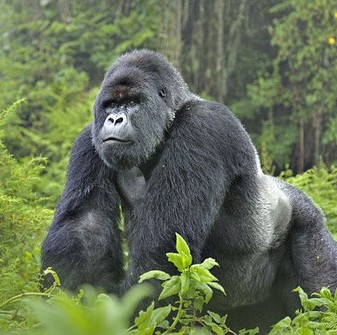
Tucked into the Virunga volcanic range alongside Mount Muhabura, Mgahinga offers just one habituated gorilla family (the Nyakagezi group), making it the most exclusive gorilla trekking destination in Uganda. It’s also a gateway to golden monkey trekking and volcano hikes, making it ideal for travelers extending into Rwanda.
Meet Our Expert Safari Guides
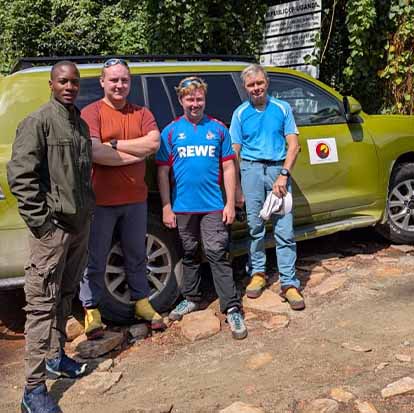
A gorilla trek is only as good as the guide leading it. Every guide we work with is a UWA-certified ranger guide with years of forest experience, deep knowledge of individual gorilla family behavior, and fluent English (many also speak French, German, or Spanish). Beyond gorilla trekking, our guides are trained safari drivers and naturalists who can lead full multi-day wildlife itineraries across Uganda’s national parks.
What sets our guides apart:
- UWA-licensed and government-certified for gorilla and chimpanzee trekking
- Average of 8+ years leading treks in Bwindi, Mgahinga, and Kibale Forest
- Trained in first aid and high-altitude trekking safety
- Skilled 4×4 safari drivers, so your guide can double as your driver-guide for the full trip
- Deep knowledge of local Bakiga and Batwa culture for a richer, more respectful visit
- Multilingual options available on request




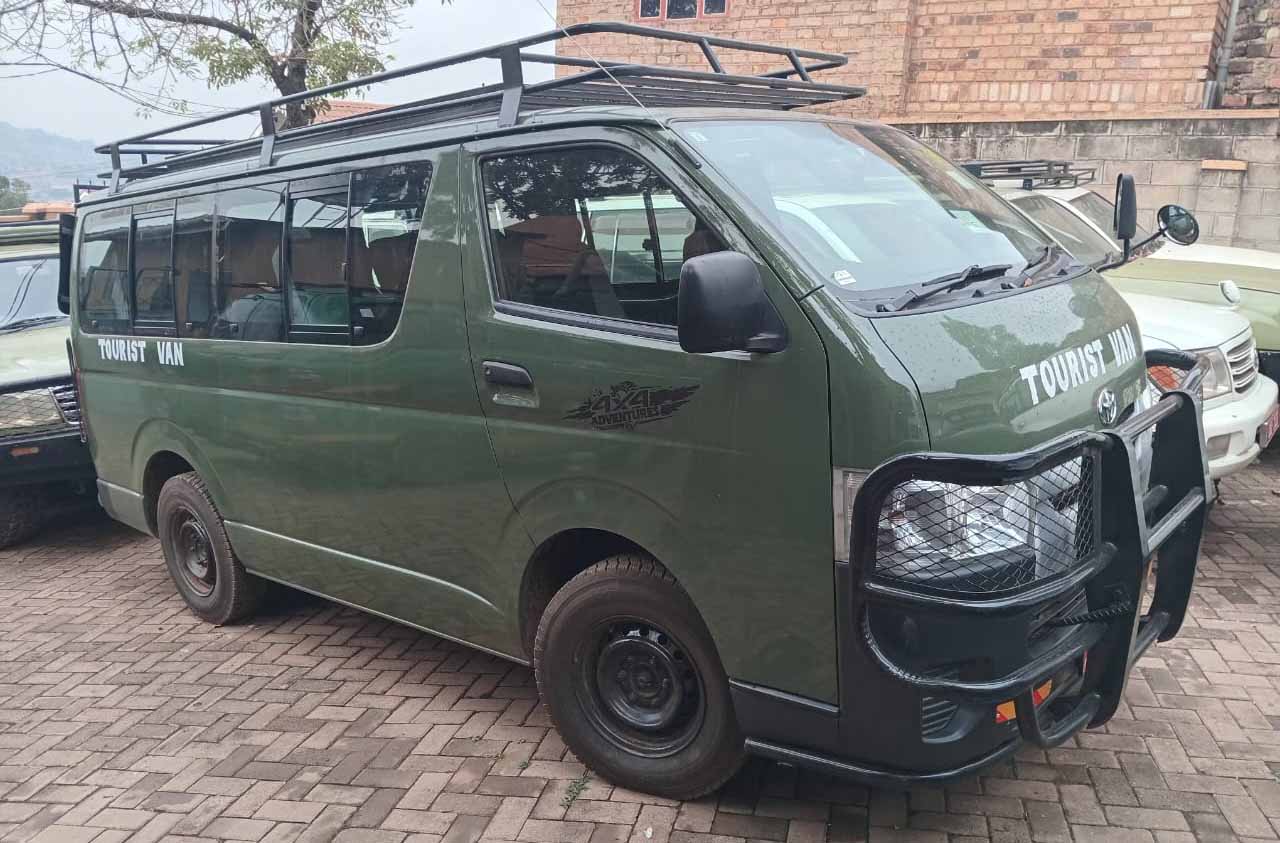
Getting There: Transport & 4×4 Car Hire for Your Gorilla Safari
Bwindi and Mgahinga sit in Uganda’s remote southwest, roughly 8–10 hours by road from Kampala/Entebbe, along winding, sometimes unpaved mountain routes. This is exactly the kind of terrain a rugged 4×4 vehicle was built for — and exactly why most of our clients book their gorilla trek and their vehicle rental together.
Your Two Options
- Self-Drive 4×4 Rental: Rent a fully-equipped 4×4 (Land Cruiser, Land Rover, or Toyota Hilux 4×4) and drive yourself, with route notes, GPS/offline maps, and 24/7 roadside support from us. Best for confident, adventurous travelers.
- 4×4 with Driver-Guide: Let one of our professional driver-guides handle the roads, border logistics, and park navigation while narrating the wildlife and culture along the way. Best for a stress-free, fully guided experience.
- Domestic Flights: Scheduled light-aircraft flights connect Entebbe/Kajjansi to airstrips at Kihihi or Kisoro, cutting travel time to roughly 1–1.5 hours. Perfect for time-limited travelers who still want a comfortable ground transfer to the lodge on arrival.
All our safari vehicles are equipped for Uganda’s rougher park roads: high ground clearance, low-range 4WD, dual fuel tanks, roof hatches for game viewing, and full comprehensive insurance.



Where to Stay: Gorilla Trekking Accommodation
Accommodation near Bwindi and Mgahinga ranges from simple community campsites to award-winning luxury lodges perched on the forest edge. Where you stay should be chosen based on your trekking sector (to minimize early-morning drive time to the trailhead), your budget, and how much comfort you want after a demanding day in the forest.
- Luxury Lodges: Forest-edge suites, private verandas overlooking the canopy, gourmet dining, and spa/massage services to soothe post-trek muscles.
- Examples: Mahogany Springs or Buhoma Lodge (Buhoma sector); Clouds Mountain Gorilla Lodge or Nkuringo Bwindi Gorilla Lodge (Nkuringo sector); Mount Gahinga Lodge (Mgahinga).
- Mid-Range Lodges: Comfortable en-suite cottages or rooms, hot showers, solid home-style meals, and warm hospitality at a more moderate price point.
- Examples: Engagi Lodge (Buhoma sector); Silverback Lodge or Ichumbi Safari Lodge (Rushaga sector); Lake Mulehe Safari Lodge (near Mgahinga/Southern Bwindi).
- Budget Guesthouses & Lodges: Simple, clean, safe accommodation for travelers prioritizing the trek itself over creature comforts.
- Examples: Bwindi Guest House (Buhoma sector); Travellers Rest Hotel in nearby Kisoro.
- Community-Run Lodges: Stay in accommodation owned and operated by local communities, putting your tourism dollars directly into the villages bordering the park.
- Examples: Buhoma Community Haven Lodge; Amajambere Iwacu Community Camp (sitting right at the Mgahinga park gate).

Camping Near Bwindi & Mgahinga
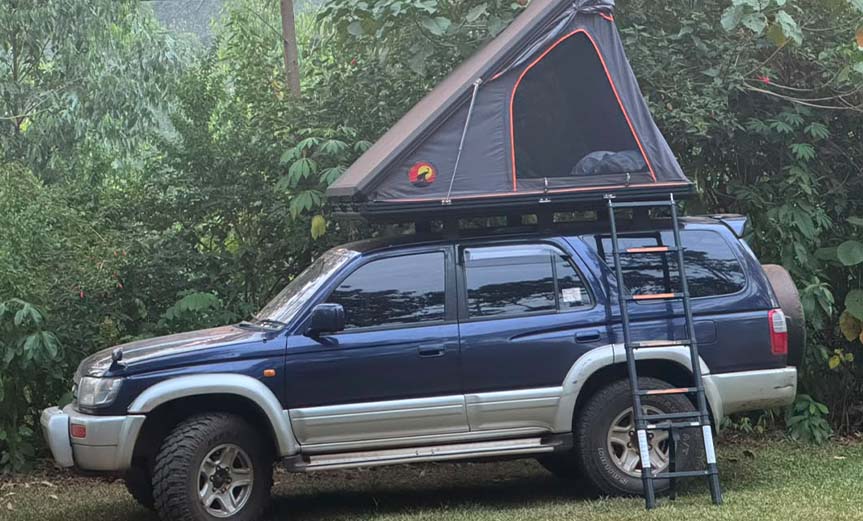
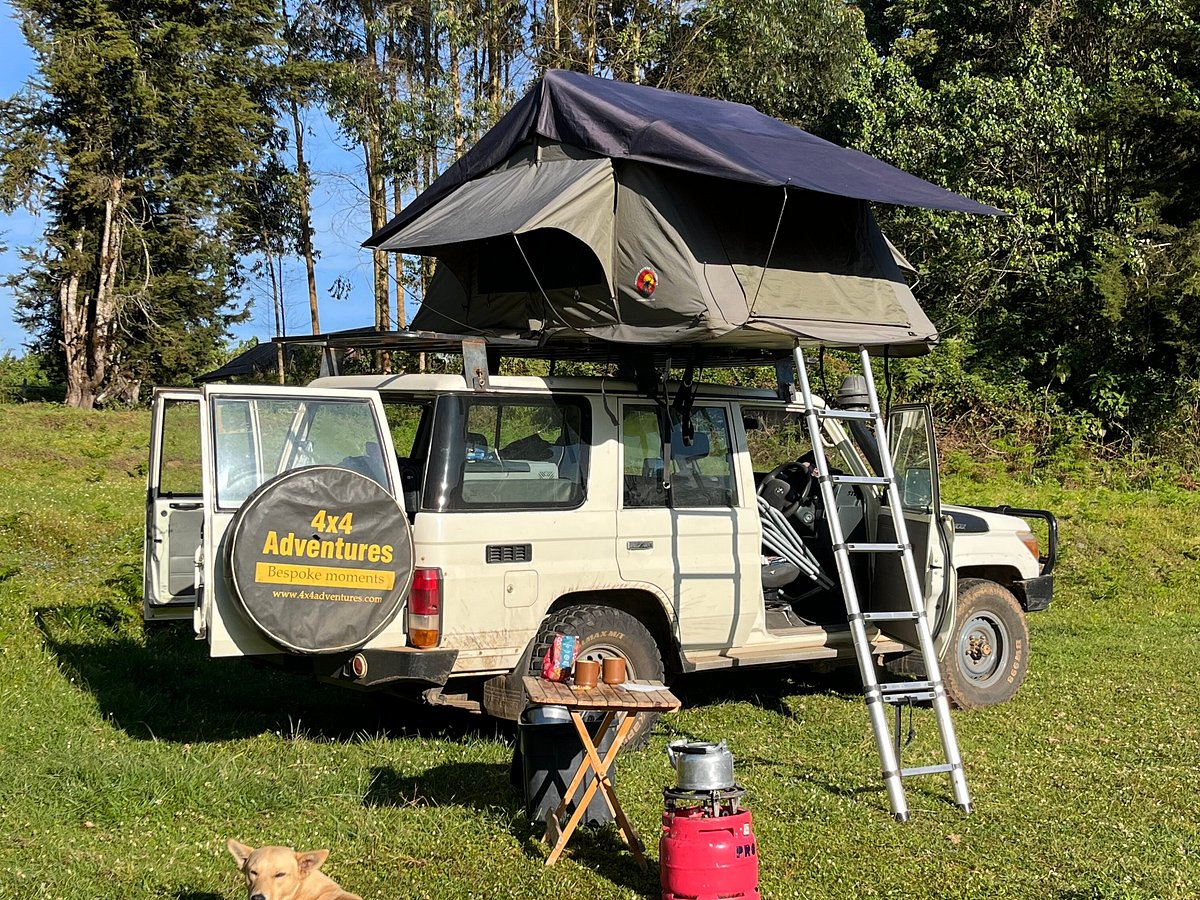
For travelers who want to camp under the stars before an early gorilla trek, several community and lodge-affiliated campsites operate near the park boundaries. Camping is typically the most budget-friendly way to be close to the trailhead, and many sites offer both fully-equipped tent hire and space for your own gear if you’re on a self-drive overland trip.
- Community campsites with shared ablution blocks and on-site cooking facilities
- Examples: Buhoma Community Rest Camp (Buhoma sector) offering budget camping grounds and bandas; Amajambere Iwacu Community Camp directly at the Mgahinga park entrance with stunning views of the Virunga volcanoes.
- Lodge-affiliated ‘flycamp’ style tented pitches with proper beds and en-suite bathrooms
- Examples: Nkuringo Bwindi Gorilla Lodge (which features high-end tented cottages with canvas walls and permanent structures); Rushaga Gorilla Lodge (offering deluxe safari-style tents with en-suite facilities).
- Self-catering sites for overland and 4×4 self-drive travelers with their own camping equipment
- Examples: Lake Bunyonyi Overland Resort (situated by the lake, popular for self-drivers and overlanders staging for Southern Bwindi/Mgahinga treks); Kisoro Tourist Rest Centre (offering convenient secure ground space for overland trucks and rooftop tents in Kisoro town).

What to Pack for Gorilla Trekking in Uganda
Bwindi’s trails run through dense, humid rainforest on steep, often muddy slopes — the right gear makes the difference between a miserable slog and an unforgettable morning. Use this checklist as your baseline, and feel free to expand it with your own gear-shop recommendations or affiliate links.
Clothing
- Long-sleeved, lightweight shirts in neutral colors (avoid bright colors and dark blue, which attracts tsetse flies)
- Long trekking trousers, ideally quick-dry and tucked into socks or gaiters to block safari ants
- A warm fleece or light jacket for cool early mornings at altitude
- A waterproof rain jacket — expect rain at any time of year
- Sturdy, broken-in hiking boots with good ankle support and grip
- Thick hiking socks (bring a spare pair to change mid-trek)
- A wide-brimmed hat or cap for sun and light rain
- Thin gloves — useful for gripping vegetation and stinging nettles on steeper trails
Trekking Gear
- A daypack (20–30L) to carry water, snacks, and rain gear
- A refillable water bottle or hydration bladder (2+ liters recommended)
- Trekking poles — genuinely useful on steep, muddy descents
- Gaiters to keep mud and ants out of your boots
- A dry bag or waterproof liner for your camera and phone
Health & Personal Items
- Insect repellent (DEET-based)
- Sunscreen and lip balm with SPF
- A personal first-aid kit with blister plasters and any personal medication
- Hand sanitizer and a small pack of tissues
- Motion sickness tablets if you’re prone to it on winding mountain roads
Documents & Money
- Your original passport (UWA checks ID against your permit at registration)
- A printed or digital copy of your gorilla permit confirmation
- Cash (USD and/or Uganda Shillings) for porter tips and ranger/guide gratuities
- Travel insurance documents covering trekking activities
Optional but Highly Recommended
- A porter (hired at the trailhead, roughly $15–20) — highly recommended even for fit trekkers; it also directly supports the local community
- Binoculars for forest birding along the trail
- A camera with a zoom lens (flash photography of gorillas is prohibited)
- Energy snacks — treks can run 2 to 8 hours depending on where the gorilla family is on trekking day
5 Gorilla Trekking Itinerary Ideas
Not sure how to structure your Uganda adventure? Gorilla trekking does not have to be a standalone experience—you can easily combine it with Uganda’s incredible wildlife, cultural experiences, scenic landscapes, and other primate adventures. Below are five tried-and-tested Uganda gorilla trekking itinerary ideas, ranging from a short gorilla trekking getaway to an unforgettable two-week gorilla, wildlife and cultural safari.
Whether you want to track mountain gorillas in Bwindi, search for lions and elephants in Uganda’s national parks, meet local communities, explore cultural heritage, or combine several of these experiences in one journey, there is an itinerary to suit you. Combining gorilla trekking with a Uganda wildlife safari and cultural tour is not only possible but one of the best ways to experience the country.
Every itinerary below can be booked as it is or customized around your travel dates, budget, preferred accommodation, interests, and travel style.

PACKAGE 1:
The 3-Day Bwindi Gorilla Trekking Express
Day 1 — Entebbe/Kampala to Bwindi Impenetrable National Park
- Morning Departure (06:00 AM): Set off early from Entebbe or Kampala to beat the morning traffic. If traveling by road, the scenic 8–9 hour journey takes you through Uganda’s rolling green hills, traditional homesteads, and the rolling tea plantations of Masaka and Mbarara. Enjoy a brief stop at the Equator crossing for photos and a coffee break.
- Alternative Fly-In Option: Take an early morning scheduled or chartered domestic flight from Entebbe International Airport (EBB) to either Kihihi Airstrip (for northern sectors like Buhoma) or Kisoro Airstrip (for southern sectors like Ruhija, Rushaga, or Nkuringo). The flight takes approximately 1.5 hours, followed by a short 45-to-90 minute scenic road transfer to your lodge.
- Afternoon: Arrive at your lodge nestled near the edge of the ancient Bwindi Impenetrable Forest. Check-in, unwind from the journey, and take in the breathtaking views of the misty, canopy-covered mountains.
- Evening: Enjoy a hearty dinner followed by a formal pre-trek briefing with your guide. They will cover crucial trail etiquette, fitness considerations, current family allocations, and what to expect during the next morning’s trek.
Day 2 — The Ultimate Gorilla Trekking Experience
- Early Morning (06:00 AM): Wake up to an early breakfast to fuel up for an active day. Make sure you are wearing your trekking gear: sturdy waterproof hiking boots, thick woolen socks (tucked into your trousers to keep out safari ants), long-sleeved shirts, gardening gloves (to protect against stinging nettles and thorns), and a wide-brimmed hat.
- Registration & Briefing (07:00 – 07:30 AM): Arrive at the respective sector park headquarters for mandatory registration and verification. Rangers will divide guests into groups of up to 8 people per habituated gorilla family based on fitness levels and age. You will also be assigned a lead armed ranger and local trackers who maintain radio contact with advance trackers monitoring the gorillas.
- The Trek (08:30 AM onwards): Embark into the dense, misty undergrowth. The trek can range from 30 minutes to over 6 hours each way depending on the altitude, terrain, and where the specific gorilla family nested the night before and is currently feeding.
- The Encounter (1 Hour): Once you locate the gorilla family, spend exactly one enchanted hour observing them at close quarters. Watch silverbacks command the troop, mothers tend to playful infants, and juveniles tumble through the vines. Keep your camera flash off and maintain a respectful distance of at least 7 meters.
- Afternoon: Return to the park headquarters to receive your official Gorilla Tracking Certificate. Head back to your lodge for a well-earned hot shower, a delicious hot lunch, and some quiet time to rest your muscles.
- Optional Evening Activity: If energy permits, embark on an immersive Batwa Cultural Experience in the late afternoon to learn about the forest’s original inhabitants, their traditional hunting techniques, medicinal plants, and ancient folklore.
Day 3 — Return to Kampala/Entebbe
- Morning: Enjoy a relaxed breakfast at leisure with views of the morning mist lifting off the Bwindi valleys. Spend the morning reflecting on your trek, journaling, or picking up local handicrafts from nearby community craft shops.
- Departure: Check out of your lodge by mid-morning. Transfer back by road (arriving back in Kampala/Entebbe by evening) or catch your return flight from Kihihi or Kisoro airstrip to Entebbe.
- Evening: Connect seamlessly to your outbound international evening flight or check in for your next African safari leg.
PACKAGE 2:
4-Day Gorilla Trekking & Lake Bunyonyi Relaxation
Day 1 — Travel to Bwindi Impenetrable National Park (Southern Sectors)
- Morning Departure (06:00 AM): Depart early from Entebbe or Kampala heading southwest. The scenic road journey (approx. 8–9 hours) takes you through rolling savannah landscapes, traditional drum-making villages at Mpigi, across the Equator line, and up through the breathtaking highlands of Kigezi, frequently called the “Switzerland of Africa.”
- Alternative Fly-In Option: Board a scheduled morning flight from Entebbe International Airport (EBB) to Kisoro Airstrip, positioned ideally for southern trekking sectors. Enjoy a short 45-minute scenic road transfer through terraced hillsides directly to your lodge.
- Afternoon: Arrive at your lodge located in the Rushaga or Nkuringo sector. Check in, settle into your room, and take in panoramic views stretching over the misty valleys of the ancient Bwindi Impenetrable Forest.
- Evening: Dine on a warm, locally inspired meal and get an early night’s rest in preparation for the physical demands of trekking the following morning.
Day 2 — The Bwindi Gorilla Trekking Day
- Early Morning (06:00 AM): Wake up for an energizing breakfast. Dress in full trekking attire: sturdy waterproof hiking boots, thick woolen socks pulled over your trousers, long-sleeved shirts, gardening gloves for protection against sharp briars, and a waterproof rain jacket tucked into your daypack.
- Registration & Briefing (07:00 – 07:30 AM): Arrive at the sector park headquarters for registration, passport checks, and a comprehensive briefing from Uganda Wildlife Authority (UWA) rangers. Rangers group participants (maximum 8 people per group) based on fitness levels to match you with an appropriate habituated family.
- The Trek (08:30 AM onwards): Set off into the dense, steep rainforest alongside armed rangers and expert trackers. Treks vary from 1 to 6 hours depending on where the gorilla family spent the previous night and is currently foraging.
- The Encounter (1 Hour): Spend a magical, uninterrupted hour observing the gorilla family up close. Watch silverbacks supervise the group, juveniles play in the low-hanging branches, and infants cling closely to their mothers.
- Afternoon: Walk back to the starting point to collect your official Gorilla Tracking Certificate. Transfer back to your lodge for a long, hot shower, a hearty lunch, and a restful afternoon spent lounging on your private balcony or reading by the fireplace.
- Evening: Celebrate your successful trek with a special bush-style dinner hosted at the lodge, sharing stories of your encounter with fellow travelers.
Day 3 — Transfer to Lake Bunyonyi
- Morning (09:00 AM): Enjoy a leisurely breakfast overlooking the misty valleys, then check out and embark on a picturesque 1.5 to 2-hour drive south toward Lake Bunyonyi. The route winds past terraced agricultural hills carved into steep mountainsides.
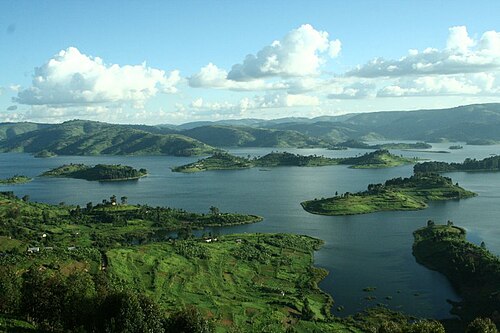
- Afternoon: Arrive at Lake Bunyonyi, widely regarded as one of Africa’s most breathtaking bodies of water. Dotted with 29 islands and framed by terraced hills, the lake is completely free of bilharzia, crocodiles, and hippos, making it exceptionally safe for swimming. Check into your lakeside resort, unpack, and enjoy a relaxed lunch by the water.
- Evening: Spend the afternoon at your own pace. Options include taking a traditional dugout canoe ride to explore historical islands like Punishment Island (Akampene), going birdwatching to spot some of the 200+ resident bird species, or simply relaxing with a book on a private lakeside terrace as the sun sets over the water.
Day 4 — Lake Exploration & Return Journey
- Morning: Wake up early to watch the mist slowly lift off the glassy lake surface. Enjoy a quiet breakfast, followed by a guided morning nature walk along the shore or a final motorized boat cruise visiting local community initiatives and Batwa heritage sites around the islands.
- Departure: Check out by mid-morning for your onward journey. You can choose to transfer back by road to Kampala/Entebbe (arriving by evening), or cross into Rwanda via the nearby Katuna or Cyanika border posts (just a 2–3 hour drive from Bunyonyi) to catch an international flight out of Kigali International Airport.

PACKAGE 3:
5-Day Gorilla Trekking + Queen Elizabeth National Park Wildlife Safari
Day 1 — Kampala/Entebbe to Queen Elizabeth National Park
- Morning Departure (06:30 AM): Set off westward from Kampala or Entebbe. The drive to Queen Elizabeth National Park takes approximately 6 to 7 hours, winding past papyrus swamps and rural homesteads before descending into the Great Rift Valley.
- Mid-Day Stop (Equator): Stop at the Kayabwe Equator crossing for photos, coffee, and a quick look at local craft shops, then continue through the rolling hills of Mbarara for a hot lunch break.
- Afternoon Game Drive (03:30 PM): Enter the park through the northern sector and head straight to the famous Kasenyi Plains for your late-afternoon game drive. Scan the open savannah for herds of Uganda kob, massive African elephants, Cape buffalo, and resident lions that frequently track the kob populations.
- Evening: Check into your safari lodge overlooking the savannah or the Rwenzori Mountains backdrop, enjoy a welcome dinner, and rest up.
Day 2 — Kazinga Channel Boat Cruise & Transfer to Bwindi
- Early Morning (06:30 AM): Enjoy a quick coffee and head out for a sunrise game drive along the Kasenyi tracks or Queens Mile to catch predators returning from nocturnal hunting.
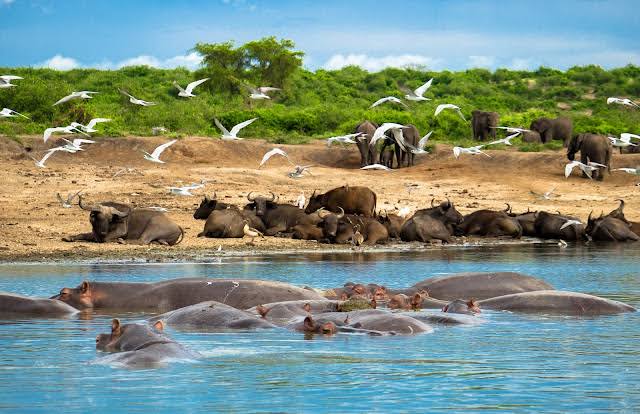
- The Kazinga Channel Cruise (11:00 AM – 01:00 PM): Board a two-hour boat safari along the 32-kilometer Kazinga Channel connecting Lake Edward and Lake George. This waterway boasts one of the world’s highest concentrations of hippos, alongside large herds of elephants coming down to drink and massive Nile crocodiles basking on the banks. Birdwatchers will spot pelicans, fish eagles, and kingfishers.
- Afternoon Transfer to Bwindi (01:30 PM): Enjoy lunch at Mweya Peninsula, then embark on the scenic 3 to 4-hour drive south toward Bwindi Impenetrable National Park. Drive through the Ishasha sector (famous for its tree-climbing lions—keep your camera ready as you pass through) before climbing into the Kigezi highlands, known as the “Switzerland of Africa.”
- Evening: Arrive at your Bwindi lodge just in time to check-in, unwind on your balcony overlooking the misty forest canopy, and enjoy dinner.
Day 3 — The Bwindi Gorilla Trekking Day
- Early Morning (06:00 AM): Wake up to an early breakfast, gear up in your waterproof hiking boots, thick socks, long trousers, gardening gloves, and rain jacket, and pack your daypack with drinking water and a packed lunch from the lodge.
- Registration & Briefing (07:00 – 07:30 AM): Arrive at the park headquarters for registration, passport checks, and a safety briefing from Uganda Wildlife Authority rangers. You will be assigned to a habituated gorilla family in groups of up to 8 individuals based on fitness levels.
- The Trek (08:30 AM onwards): Trek through the dense, atmospheric undergrowth accompanied by armed rangers and trackers. The hike can take anywhere from 1 to 6 hours each way depending on where the family is foraging.
- The Encounter (1 Hour): Spend a thrilling, tightly regulated hour observing a family of mountain gorillas up close. Watch the silverback protect the troop while youngsters play and forage just meters away.
- Afternoon: Trek back down to park headquarters to collect your official Gorilla Tracking Certificate. Return to your lodge for a long hot shower, a hot lunch, and a well-earned evening of rest.
Day 4 — Cultural Immersion, Rest, or Secondary Trekking
- Morning: Choose your pace for the day. Options include a guided community nature walk through nearby villages, a visit to a local coffee cooperative to learn about bean processing, or an immersive Batwa Cultural Experience where forest elders demonstrate ancient hunting techniques, survival skills, and medicinal plant harvesting.
- Alternative Adventure: If pre-booked and permits allow, active travelers can use today to embark on a second gorilla trekking permit in a different sector or travel slightly south to Mgahinga Gorilla National Park for a golden monkey tracking excursion.
- Afternoon & Evening: Spend a tranquil afternoon relaxing at the lodge, reading, or reviewing your wildlife photographs by the fireplace as evening settles over the mountains.
Day 5 — Return to Kampala/Entebbe
- Morning: Enjoy a leisurely breakfast with panoramic views of the misty valleys. Check out of your lodge by mid-morning.
- Departure Options:
- By Road: Take the full-day scenic drive back to Kampala or Entebbe (approx. 8–9 hours), stopping for lunch along the way and arriving by evening.
- By Air: Take a short road transfer to Kihihi or Kisoro airstrip and board a scheduled domestic flight back to Entebbe International Airport (EBB).
- Evening: Connect seamlessly to your departing international flight or transition to your next East African adventure.

PACKAGE 4:
7-Day Gorilla & Chimpanzee Primate Safari (Bwindi + Kibale Forest)
Day 1 — Kampala/Entebbe to Kibale Forest National Park
- Morning Departure (07:00 AM): Depart north-west from Kampala or Entebbe. The scenic 5 to 6-hour drive takes you through rolling tea plantations, traditional rural markets, and past the bustling historic town of Fort Portal, nestled right beneath the towering Rwenzori Mountains (the “Mountains of the Moon”).
- Afternoon: Arrive at your lodge on the edge of Kibale Forest National Park—widely recognized as the primate capital of East Africa, home to over 1,500 chimpanzees and 12 other primate species. Check in and enjoy a relaxed lunch amidst the sounds of the tropical rainforest canopy.
- Evening: Unwind on your private deck as evening sets over the jungle, followed by a welcome briefing detailing the next morning’s chimp tracking guidelines.
Day 2 — Chimpanzee Trekking & Bigodi Wetland Sanctuary
- Morning Chimpanzee Trek (08:00 AM): Arrive at Kanyanchu Visitor Center for a pre-trek briefing with Uganda Wildlife Authority rangers. Head into the dense mid-altitude rainforest to track a habituated chimpanzee community. Once located, spend an hour observing them swinging through the vines, grooming, feeding, and vocalizing loudly across the canopy.
- Afternoon (02:00 PM): After lunch back at the lodge, embark on a guided walk through the nearby Bigodi Wetland Sanctuary, a community-run conservation project. Walk along boardwalks over swamp papyrus to spot rare bird species like the Great Blue Turaco, alongside red colobus monkeys, L’Hoest’s monkeys, and grey-cheeked mangabeys.
- Evening: Return to your lodge for dinner and a quiet evening around the fireplace.

Day 3 — Transfer to Queen Elizabeth National Park
- Morning (09:00 AM): Enjoy a leisurely breakfast, check out, and take a scenic 2.5-hour drive south through the stunning Crater Lakes region—a cluster of dozens of extinct volcanic crater lakes surrounded by lush escarpments and sweeping views.
- Afternoon: Arrive at Queen Elizabeth National Park around lunchtime. Check into your lodge overlooking the sweeping savannah plains, then head out for an afternoon game drive across the Kasenyi tracking tracks to spot herds of elephants, Uganda kob, buffaloes, and lions.
- Evening: Watch a vibrant African sunset over the savannah before sitting down for dinner at the lodge.
Day 4 — Kazinga Channel Cruise & Transfer to Bwindi
- Early Morning (06:30 AM): Optional sunrise game drive or morning at leisure to enjoy the camp surroundings.
- The Kazinga Channel Cruise (11:00 AM – 01:00 PM): Board a premier boat safari along the 32-kilometer Kazinga Channel. Cruise right past massive pods of wallowing hippos, Nile crocodiles, and hundreds of water-loving birds (including African fish eagles and pelicans) while elephants come down to the water’s edge to drink.
- Afternoon Transfer (01:30 PM): After a hot lunch at the Mweya Peninsula, drive south toward Bwindi Impenetrable National Park. Journey through the Ishasha sector—keeping your eyes peeled for the famous tree-climbing lions resting in fig trees—before climbing up into the misty Kigezi highlands.
- Evening: Check into your Bwindi lodge in time for dinner and a restful night ahead of your trek.
Day 5 — The Bwindi Gorilla Trekking Day
- Early Morning (06:00 AM): Fuel up with an early breakfast. Dress in your essential trekking gear: waterproof hiking boots, thick socks pulled over trousers, long sleeves, gardening gloves, and a rain jacket. Pack your daypack with drinking water and a lodge-provided lunch.
- Registration & Briefing (07:00 – 07:30 AM): Arrive at park headquarters for registration and a ranger-led safety briefing. You will be assigned to a habituated gorilla family in groups of up to 8 people.
- The Trek (08:30 AM onwards): Hike through the dense, atmospheric mountain rainforest alongside armed rangers and expert trackers. The trek takes anywhere from 1 to 6 hours each way depending on where the family is foraging.
- The Encounter (1 Hour): Spend a deeply moving, strictly regulated hour observing the mountain gorillas up close as they feed, groom, and play just meters away.
- Afternoon: Return to park headquarters to collect your official Gorilla Tracking Certificate. Head back to your lodge for a long, hot shower, a hearty lunch, and a well-earned evening of rest.
Day 6 — Optional Gorilla Habituation Experience or Cultural Day
- Full-Day Alternative (Gorilla Habituation): For travelers who upgraded their permits, today is spent in the Rushaga sector participating in the Gorilla Habituation Experience. Instead of 1 hour, you will join researchers and trackers to spend 4 full hours with a semi-habituated gorilla family, watching them slowly acclimate to human presence.
- Standard Alternative (Cultural & Rest Day): If not doing a second trek, enjoy a relaxed morning, followed by a guided village walk, a visit to a local coffee processing cooperative, or an immersive Batwa community cultural experience learning traditional forest survival skills.
- Evening: Celebrate your final night on safari with a special dinner sharing stories of your primate encounters.
Day 7 — Return to Kampala/Entebbe
- Morning: Enjoy a relaxed breakfast with panoramic views of the misty forest valleys. Check out of your lodge by mid-morning.
- Departure Options:
- By Road: Take the full-day scenic drive back to Kampala or Entebbe (approx. 8–9 hours), stopping for lunch along the route.
- By Air: Take a short transfer to a local airstrip (Kihihi or Kisoro) for a scheduled domestic flight back to Entebbe International Airport (EBB).
- Evening: Connect seamlessly to your departing international flight or transition to your next East African destination.
PACKAGE 5:
6-Day Gorilla Habituation Experience + Cultural Immersion
Day 1 — Travel to Rushaga Sector, Bwindi Impenetrable National Park
- Morning Departure (06:00 AM): Depart early from Entebbe or Kampala, journeying southwest through rolling agricultural hills, across the Equator line, and up into the steep highlands of southwestern Uganda. The road trip takes approximately 8–9 hours.
- Alternative Fly-In Option: Catch a morning domestic flight from Entebbe International Airport (EBB) to Kisoro Airstrip, followed by a short 45-minute scenic road transfer directly into the Rushaga sector.
- Afternoon: Arrive at your lodge overlooking the misty valleys of the southern Bwindi Impenetrable Forest. Check in, settle into your room, and enjoy a peaceful afternoon surrounded by nature.
- Evening: Attend a mandatory pre-trek briefing with park rangers and researchers. They will cover specific protocols for the habituation experience, which differ from standard trekking due to working with semi-wild mountain gorillas that are still getting used to human presence.
Day 2 — The Full-Day Gorilla Habituation Experience
- Early Morning (06:00 AM): Wake up early for breakfast and pack your gear: heavy-duty waterproof hiking boots, thick woolen socks, long-sleeved shirts, thick gardening gloves, and a reliable rain jacket. Pack a high-energy lunch and plenty of drinking water in your daypack.
- Registration & Briefing (07:00 AM): Arrive at the Rushaga sector park headquarters for a quick orientation. Unlike standard treks capped at 8 tourists per group, habituation groups are limited to a maximum of 4 visitors accompanied by researchers, conservationists, and armed rangers.
- The Trek & Research Encounter (08:30 AM onwards): Hike deep into the dense undergrowth to locate the semi-habituated gorilla family. Once found, instead of the standard 1-hour limit, you will spend up to 4 full hours alongside researchers. Observe subtle behavioral dynamics, how researchers identify individual animals, and how the gorillas slowly adjust to human presence.
- Afternoon: Hike back down to the park headquarters to receive your official Habituation Certificate. Return to your lodge for a long, hot shower, a late hot lunch, and a well-deserved evening of relaxation.
Day 3 — The Immersive Batwa Cultural Trail
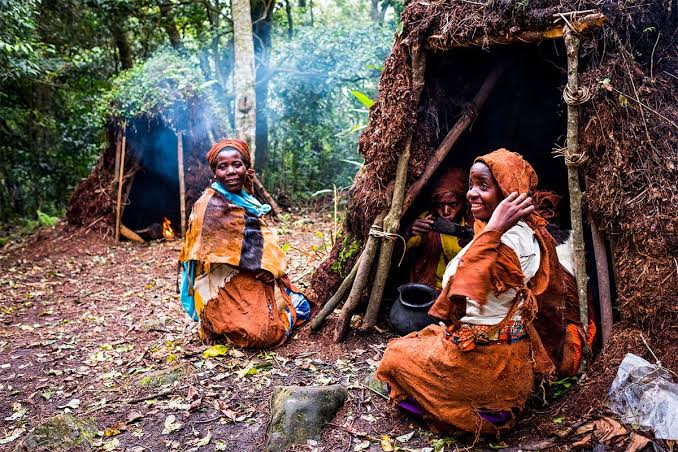
- Morning (09:00 AM): Enjoy a relaxed breakfast looking out over the mountain slopes. Afterward, set off on the authentic Batwa Cultural Trail guided by the indigenous Batwa people—the ancient forest-dwellers of Bwindi before the park was gazetted.
- The Experience: Walk alongside Batwa elders deep into the lower forest fringe. Learn traditional survival techniques, including how to build makeshift huts, harvest medicinal roots and barks, hunt with bows and arrows, and start fires using friction. Listen to ancient folklore, songs, and traditional dances performed inside a sacred cave.
- Afternoon & Evening: Return to your lodge in the mid-afternoon. Spend the rest of the day unwinding on your private balcony, organizing your photographs, or relaxing by the fireplace as night falls.
Day 4 — Transfer to Lake Mutanda or Lake Bunyonyi
- Morning (09:00 AM): Check out of your lodge after breakfast and embark on a scenic 1.5 to 2-hour drive through terraced volcanic landscapes toward Lake Mutanda or Lake Bunyonyi (depending on your preferred lodge location). Both lakes offer dramatic backdrops framed by the towering peaks of the Virunga volcanoes.
- Afternoon: Arrive at your lakeside lodge just in time for lunch. Spend the afternoon taking a traditional wooden dugout canoe ride across the glassy water, visiting historic islands, or trying out catch-and-release fishing.
- Evening: Watch the sun set over the Virunga mountain chain while enjoying dinner on an outdoor terrace by the water.
Day 5 — Leisure Day or Optional Virunga Volcano Hike
- Morning Options:
- Option A (Relaxed): Enjoy a completely free day of leisure. Sleep in, read a book by the water, go birdwatching, or take a gentle nature walk along the lake shore.
- Option B (Active Volcano Hike): For high-fitness adventure seekers, head across to neighboring Mgahinga Gorilla National Park for a strenuous full-day guided hike up one of the Virunga volcanoes—such as Mount Sabinyo (famous for its dramatic 3-state border peak), Mount Gahinga, or Mount Muhabura.
- Evening: Return to your lodge to soothe your muscles, share stories of your day’s adventures, and enjoy a quiet dinner.
Day 6 — Return to Kampala/Entebbe
- Morning: Wake up to a peaceful lakeside sunrise and a leisurely breakfast. Check out of your lodge by mid-morning.
- Departure Options:
- By Road: Take the full-day scenic transfer back to Kampala or Entebbe (approx. 8–9 hours), stopping for lunch along the highway.
- By Air: Drive to Kisoro Airstrip for a scheduled domestic flight back to Entebbe International Airport (EBB).
- Evening: Connect directly to your onward international flight home or transition seamlessly into your next East African safari extension.
Gorilla Trekking Rules & Etiquette
Mountain gorillas share roughly 98% of human DNA, which means they are susceptible to many of the same illnesses we are. UWA enforces strict rules to protect both gorillas and trekkers:
- Maintain a minimum distance of 7–10 meters from the gorillas at all times
- Do not trek if you have a cold, flu, or any contagious illness — you may be asked to sit out and rebooked
- Keep your voice low and avoid sudden movements
- No flash photography — it can startle and distress the gorillas
- Do not eat, drink, or smoke while in the presence of the gorillas
- If a gorilla approaches you, stay still, avoid direct eye contact, and follow your ranger guide’s instructions
- Children under 15 years old are not permitted to trek
- Groups are strictly capped at 8 trekkers per gorilla family per day
- Maximum trekking time with the gorillas is one hour (four hours for the Habituation Experience)
Frequently Asked Questions About Booking a Gorilla Permit in Uganda
How much does a gorilla permit cost in Uganda?
As of 2026, a standard gorilla trekking permit costs US $800 for foreign non-residents, US $700 for foreign residents, and UGX 250,000 for East African citizens, in both Bwindi Impenetrable National Park and Mgahinga Gorilla National Park. The Gorilla Habituation Experience in Rushaga sector costs US $1,500.
How far in advance should I book a gorilla permit?
We recommend booking 3–6 months ahead for peak season travel (June–September and December–February). Shoulder and wet season permits can sometimes be secured with just a few weeks’ notice, but availability is never guaranteed, so earlier is always safer.
Is gorilla trekking in Uganda physically demanding?
Yes, to varying degrees. Trails run through dense rainforest on steep, often muddy terrain at altitudes between 1,160m and 2,600m. Trek duration ranges from under an hour to over six hours depending on where the gorilla family is located that day. Porters are available at every trailhead to carry your daypack and assist on steep sections.
Can I choose which gorilla family I trek to?
You can request a sector (Buhoma, Ruhija, Rushaga, or Nkuringo) and, in some cases, a specific family, but final family assignment happens at the morning briefing based on ranger tracking reports and your fitness level. We factor your preferences into our booking request wherever possible.
What happens if I don’t see the gorillas?
It is extremely rare not to find the gorilla family once you set out — UWA trackers locate the family’s overnight nesting site before your trek begins, and success rates are consistently above 95%. In the unlikely event of a no-sighting, UWA policy allows for a discounted or complimentary re-trek, subject to their current terms.
Do I need a visa to visit Uganda for gorilla trekking?
Most nationalities require a Uganda visa, available as an e-visa online before travel or, for some nationalities, on arrival. We recommend applying for your e-visa at least 2–3 weeks before departure.
Should I combine gorilla trekking with chimpanzee trekking?
Yes — if your schedule allows, combining Bwindi gorilla trekking with chimpanzee trekking in Kibale Forest National Park gives you Uganda’s two flagship primate experiences in one trip. See Itinerary 4 above for a ready-made 7-day route.
Is it better to self-drive or hire a driver-guide?
Both work well. Self-driving a 4×4 gives you full flexibility and is popular with experienced overland travelers. A driver-guide is recommended for first-time visitors, as Uganda’s rural roads can be challenging and a local driver-guide adds real value through route knowledge, wildlife spotting, and cultural insight.
What is the refund policy on gorilla permits?
UWA gorilla permits are generally non-refundable once issued, though limited rescheduling may be possible with sufficient notice and is handled case by case. We strongly recommend comprehensive travel insurance that covers trip cancellation and interruption.
Can I book a gorilla permit and my transport/accommodation together?
Yes — this is exactly what we specialize in. Submit your details through the booking form on this page and we’ll build a single quote covering your gorilla permit, 4×4 transport, accommodation, and any add-on activities.
How fit do I need to be for gorilla trekking?
You don’t need to be an athlete, but a reasonable baseline fitness level helps, since treks can run several hours over steep, muddy terrain at altitude. Trekkers of varying fitness levels complete the trek every day with the help of porters and a guide who paces the group accordingly. If mobility is a concern, ask us about sedan chairs (a porter-carried option) available in most sectors.
What is the minimum age for gorilla trekking in Uganda?
The minimum age is 15 years old, a rule strictly enforced by the Uganda Wildlife Authority for the safety of both children and the gorillas. There is no upper age limit — many trekkers in their 70s and 80s complete the trek successfully with porter support.
Can I photograph the gorillas?
Yes, standard (non-flash) photography is welcomed and encouraged. Flash photography is strictly prohibited, as it can startle and stress the gorillas. Bring spare batteries and memory cards, as charging facilities are limited at forest lodges.

Why Book Your Gorilla Safari With 4×4 Car Rentals Uganda
We are not a generic booking aggregator — we are a Uganda-based, on-the-ground team that handles your gorilla permit application directly with the Uganda Wildlife Authority, arranges rugged, well-maintained 4×4 vehicles built for these exact roads, and pairs you with UWA-certified guides who know every trail, every family, and every shortcut through the paperwork.
- Direct UWA permit booking — no third-party markup or resale delays
- Full-service trip building: permits, 4×4 rental, driver-guides, accommodation, and activities in one quote
- 24/7 in-country support before and during your trip
- Transparent, upfront pricing with no hidden fees
- Flexible itineraries — every trip on this page can be customized to your dates, fitness level, and budget