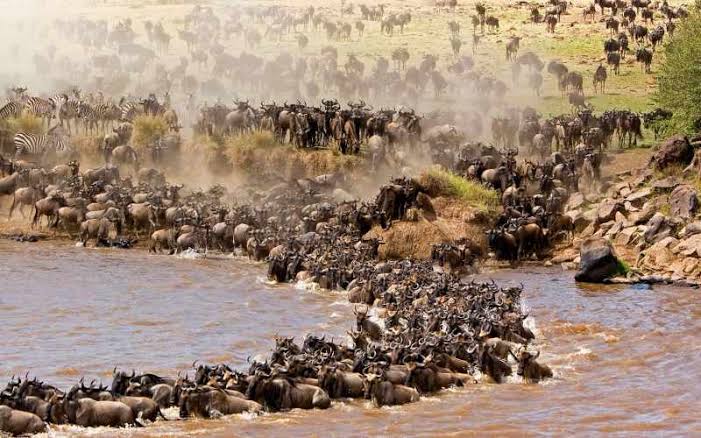
Embarking on a self-drive Africa overland tour is the ultimate travel adventure. Behind the wheel of a fully equipped 4×4 with a rooftop tent, you have total freedom to track wildlife across vast savannas, cross remote international borders, and pitch camp beneath clear star-filled skies.
As demand for self-drive expeditions across East and Southern Africa hits record highs, planning early for 2027 Africa overland tours is essential. Vehicle availability for custom-outfitted expedition rigs fills up months in advance, while park permits and gorilla trek allocations require early securing. This booking guide covers key details: high-performing routes, ideal 4×4 rental vehicles, tent setups, budgeting, and cross-border paperwork.
Best Africa Overland Routes for 2027
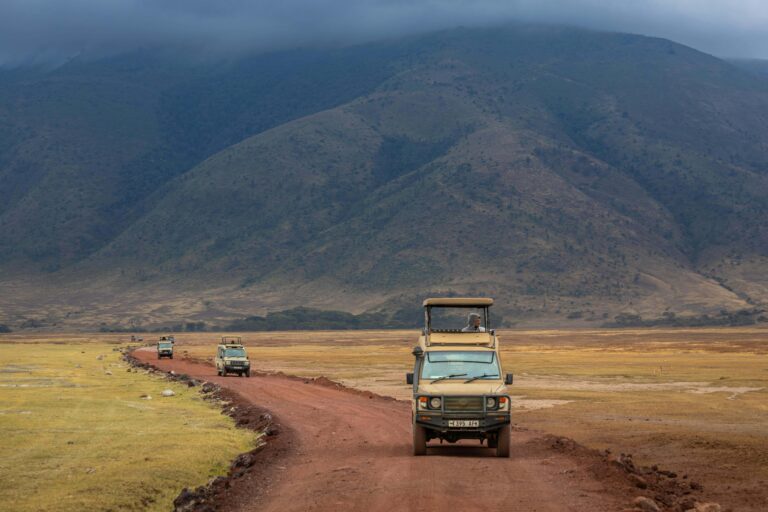
Designing an overland itinerary requires balancing distance, road conditions, border crossings, and seasonal wildlife movements. East Africa offers diverse terrain, combining lush rainforests, volcanic rift valleys, and wildlife-packed savannas.
- Suggested Duration: 10 to 14 Days
- Recommended Vehicle: Toyota Land Cruiser Prado TX/TZ or Hardtop 70 Series
- Best Time to Travel: June–September or December–February (Dry Seasons)
This compact, scenic circuit is ideal for first-time overlanders who want deep cultural immersion, mountain landscapes, and world-class primate encounters without driving thousands of highway kilometers.
Highlights:
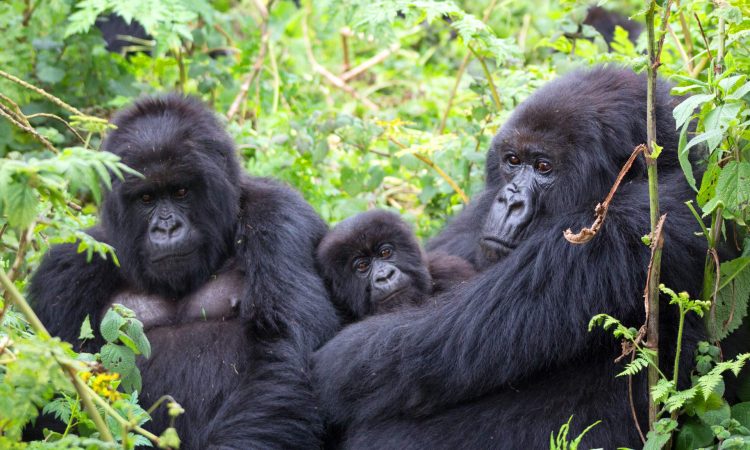
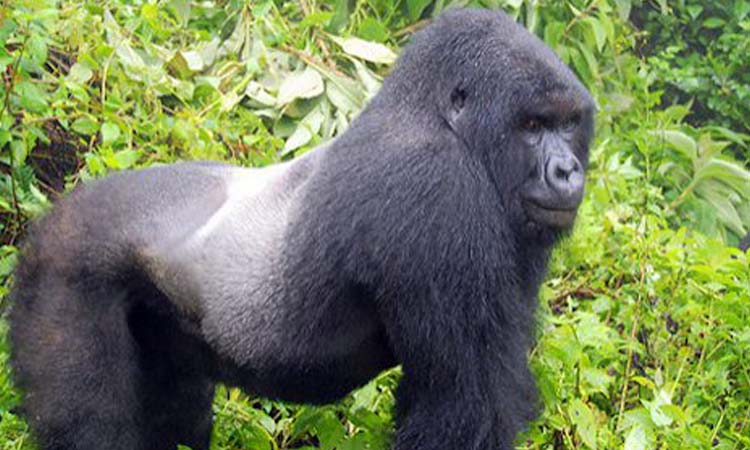
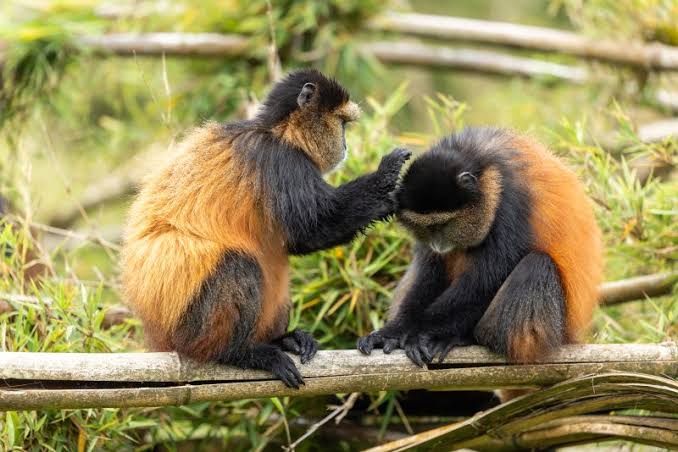
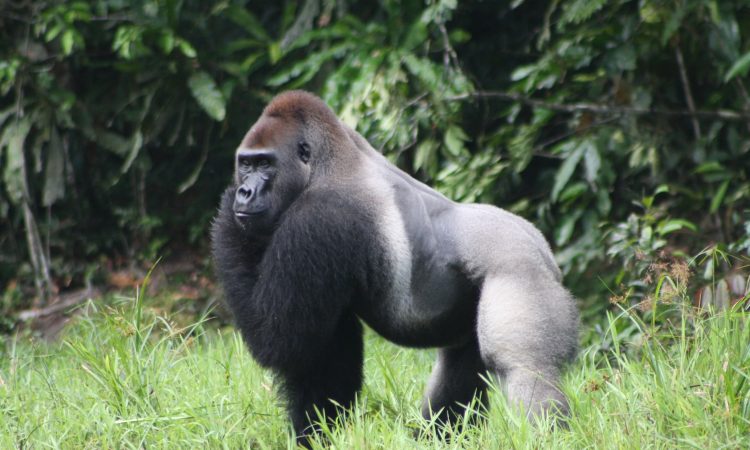
- Tracking mountain gorillas in Uganda’s Bwindi Impenetrable National Park or Rwanda’s Volcanoes National Park.
- Chimp trekking in Kibale Forest National Park.
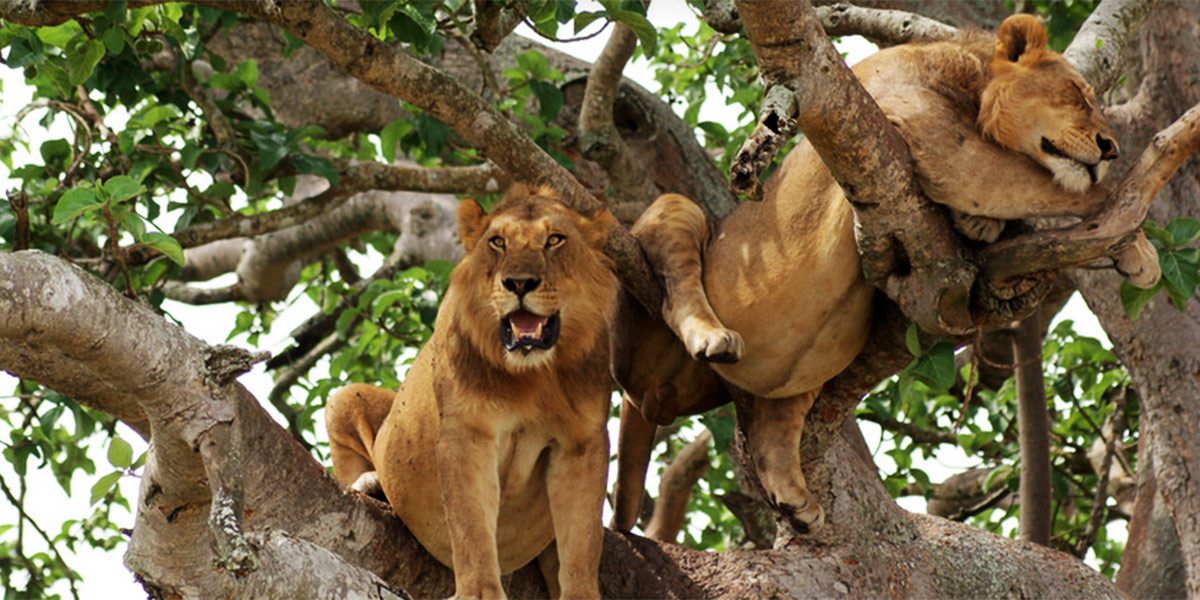
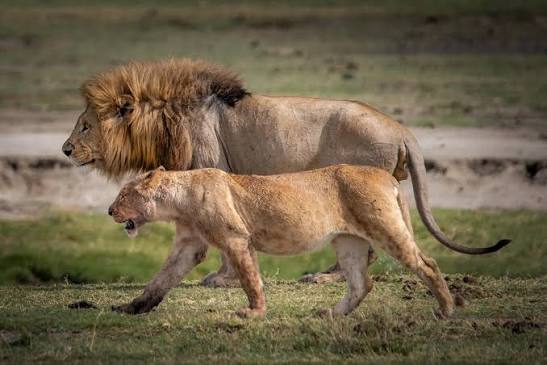
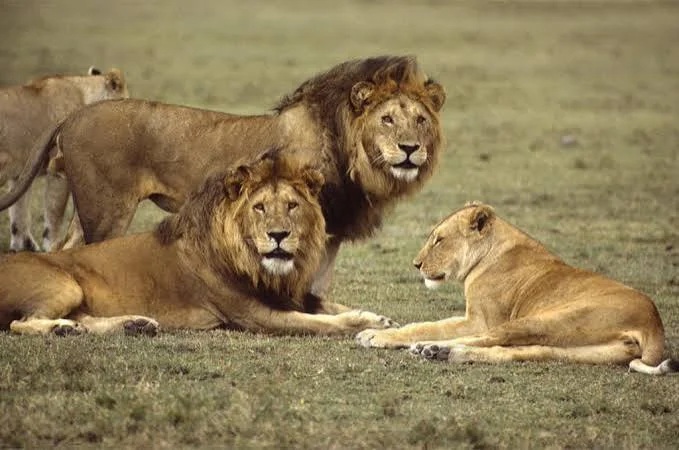
- Tree-climbing lions in the Ishasha sector of Queen Elizabeth National Park.
- Canoeing and island hopping on Lake Bunyonyi.
Terrain & Driving Conditions
Paved primary highways connecting major hubs, transitions to steep, muddy, and rutted tracks near park boundaries. A capable 4×4 with low-range transfer gears is essential during rainy spells.
Route B: The Classic East Africa Wildlife Expedition (Uganda–Kenya–Tanzania)
- Suggested Duration: 21 to 28 Days
- Recommended Vehicle: Toyota Land Cruiser V8, 76/79 Series Bushcamper, or Hilux Double Cab
- Best Time to Travel: July–October (Great Migration season in Mara/Serengeti)
This iconic cross-border route links Africa’s premier game reserves into one continuous loop. Starting in Entebbe or Kampala, travelers navigate east into Kenya’s Great Rift Valley before dropping south into Tanzania’s northern safari circuit.
Highlights:
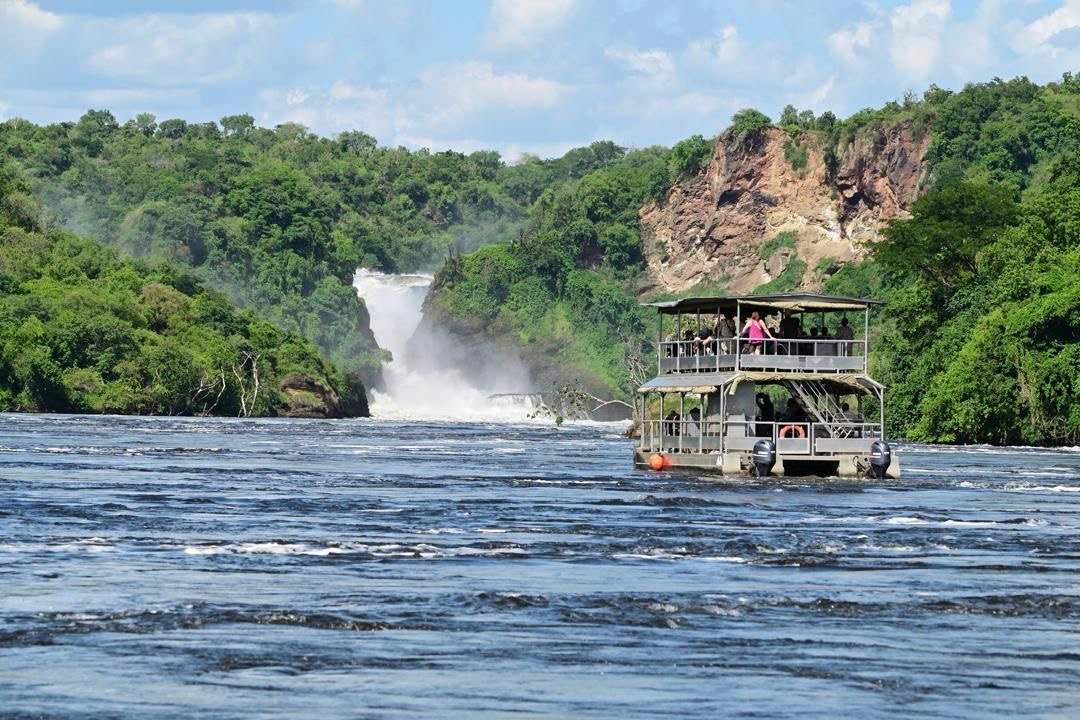
- Crossing the Nile River at Murchison Falls National Park (Uganda).
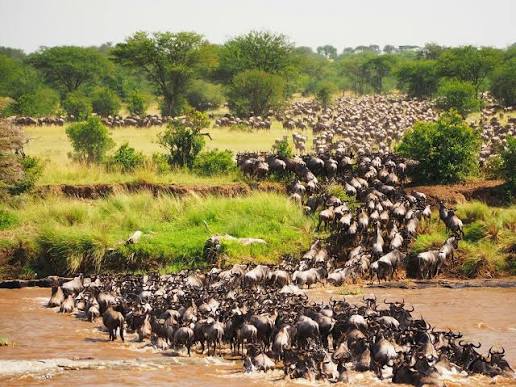
- Witnessing the Wildebeest Migration in the Maasai Mara (Kenya) and Serengeti National Park (Tanzania).
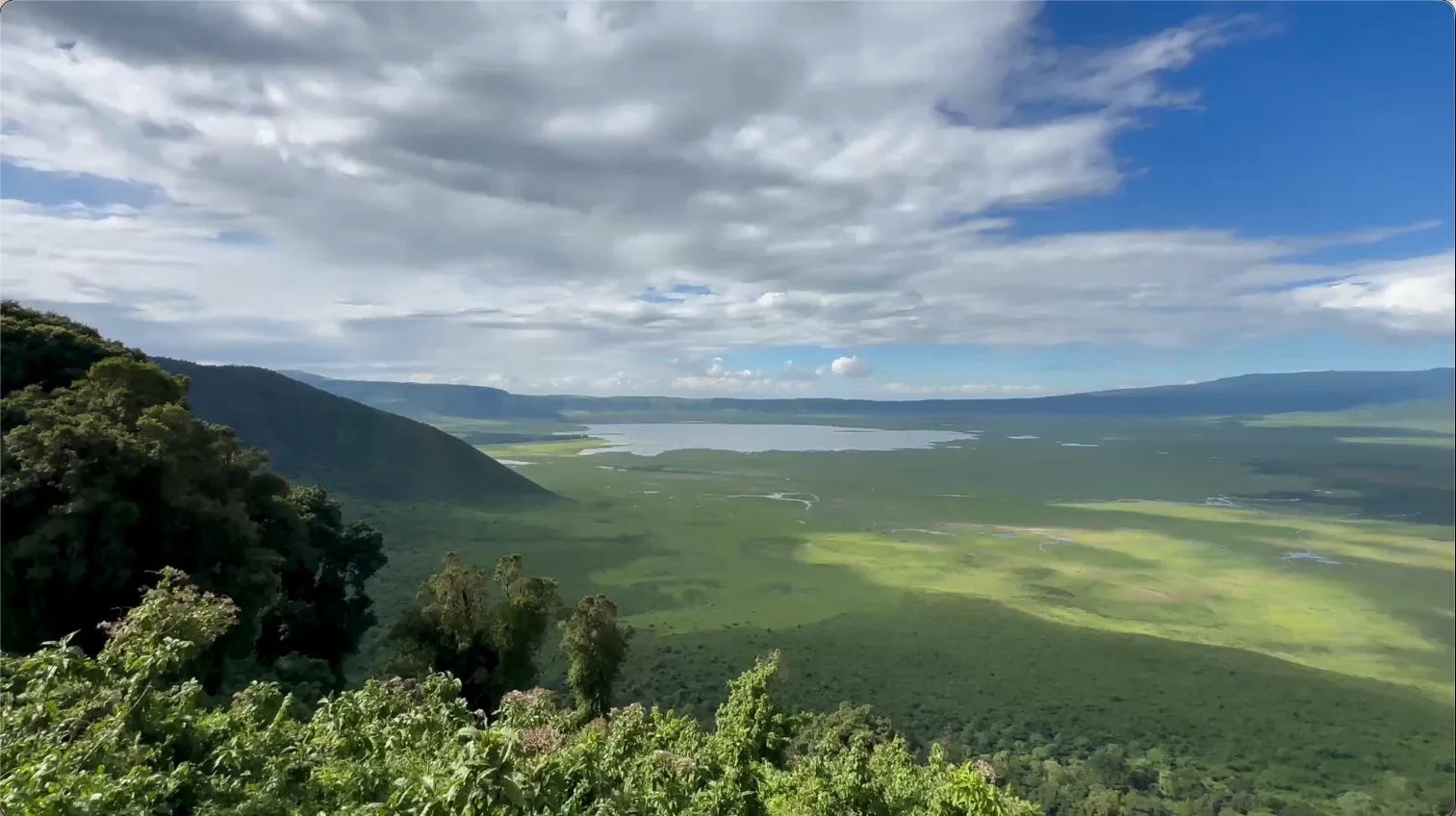
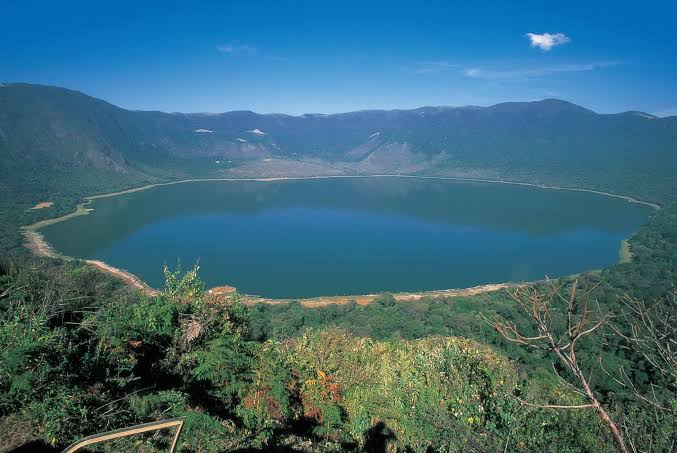
- Descending into the UNESCO-listed Ngorongoro Crater (Tanzania).
- Camping under the stars along the shores of Lake Naivasha and Lake Manyara.
Terrain & Driving Conditions
Extremely varied. Smooth tarmac transitions into severe corrugated gravel, deep black cotton soil in the Serengeti, and rocky tracks in the Rift Valley. Excellent off-road driving confidence and vehicle rescue equipment are required.
- Suggested Duration: 10 to 14 Days
- Recommended Vehicle: Toyota Land Cruiser Prado TX/TZ or Hardtop 70 Series
- Best Time to Travel: June–September or December–February (Dry Seasons)
This compact, scenic circuit is ideal for first-time overlanders who want deep cultural immersion, mountain landscapes, and world-class primate encounters without driving thousands of highway kilometers.
Highlights:
- Tracking mountain gorillas in Uganda’s Bwindi Impenetrable National Park or Rwanda’s Volcanoes National Park.
- Chimp trekking in Kibale Forest National Park.
- Tree-climbing lions in the Ishasha sector of Queen Elizabeth National Park.
- Canoeing and island hopping on Lake Bunyonyi.
Terrain & Driving Conditions
Paved primary highways connecting major hubs, transitions to steep, muddy, and rutted tracks near park boundaries. A capable 4×4 with low-range transfer gears is essential during rainy spells.
Route C: The Grand East African Safari Loop
Highlights:
- Full Route Arc: Starting from Entebbe/Kampala through Western Uganda’s gorilla country, crossing into Rwanda’s volcanoes, looping through Tanzania via the Serengeti, Ngorongoro, Tarangire, Ruaha, and Nyerere, then tracking north through Kenya’s Amboseli, Nairobi, Samburu, and Maasai Mara before returning.
- Game Parks & Destinations: Bwindi Impenetrable, Volcanoes, Serengeti, Ngorongoro Conservation Area, Tarangire, Ruaha, Nyerere (Selous), Amboseli, Samburu, and Maasai Mara.
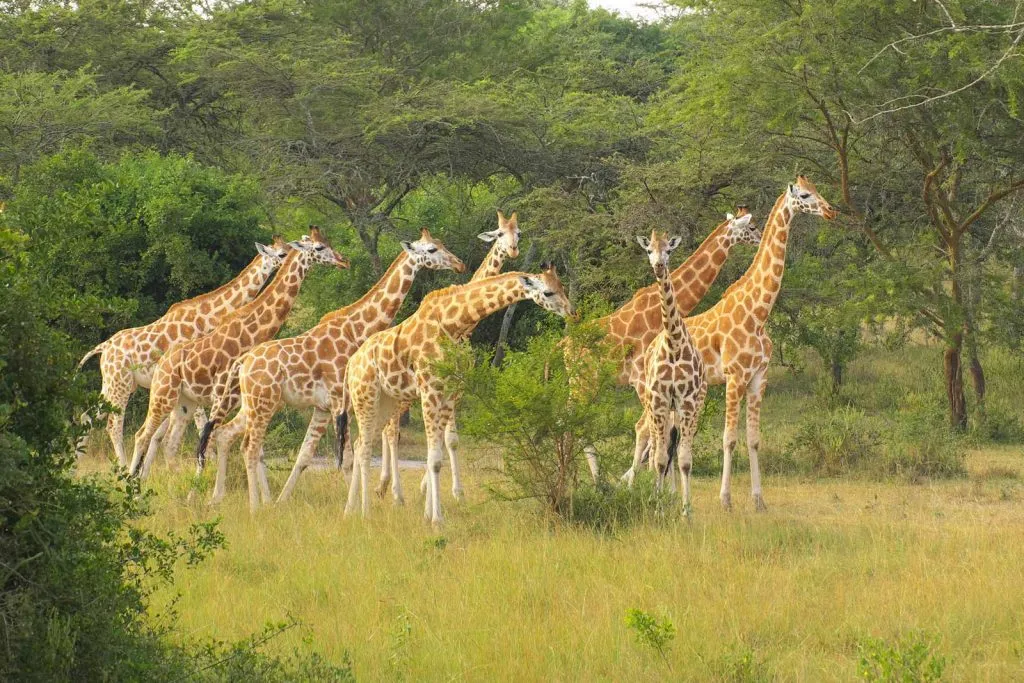
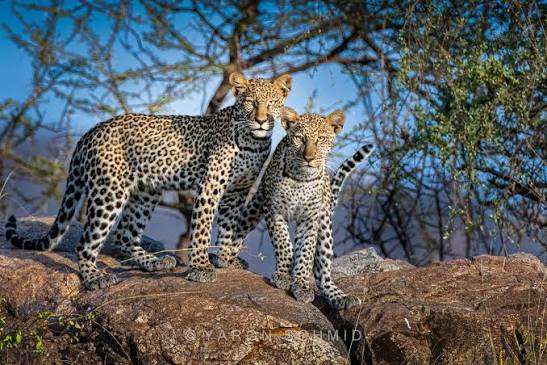
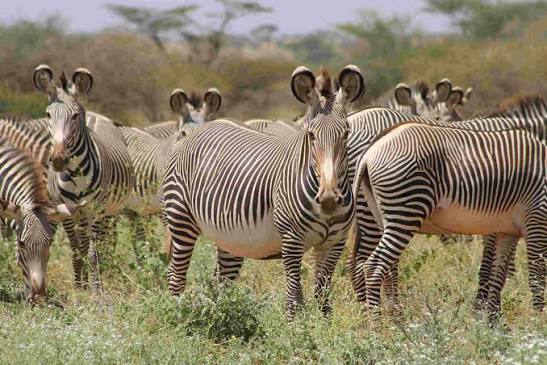
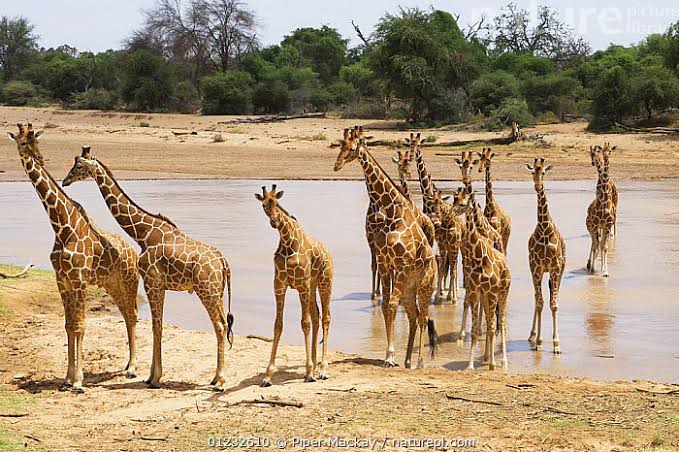
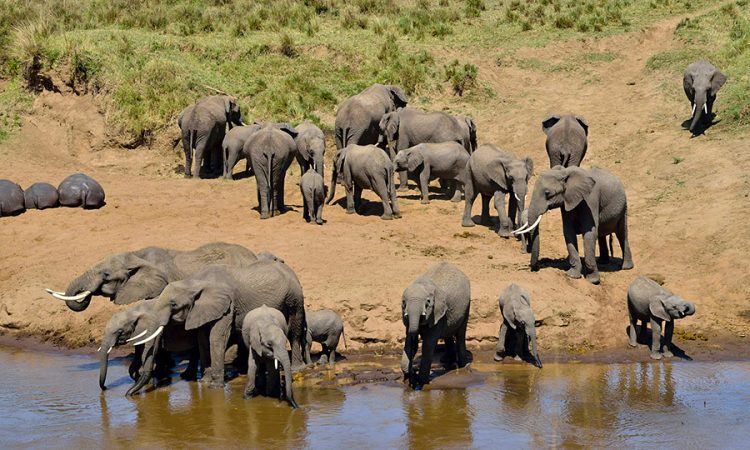
- Wildlife Encounters: Mountain gorillas, chimpanzees, the Great Wildebeest Migration, massive elephant herds in Tarangire and Amboseli, prides of lions, leopards, cheetahs, wild dogs (painted wolves) in Ruaha, and rare northern endemic species like Grevy’s zebra and reticulated giraffes in Samburu.
- Tourist Activities: Gorilla and chimpanzee trekking, multi-day big cat tracking game drives, guided bush walks, boat safaris on the Rufiji River, night game drives in private concessions, and authentic cultural village visits with local Maasai and Samburu communities.
Terrain & Driving Conditions
Extremely remote and challenging. Long driving days require absolute vehicle self-reliance, advanced off-road recovery skills, dual spare tires, heavy-duty suspension, and complete bush camping setups. Expect deep sand, washed-out tracks, and isolated wilderness navigation.
Best 4×4 Vehicles for African Overland Tours
Choosing the right 4×4 rental vehicle is the single most critical decision for a safe, comfortable expedition. Road conditions across East Africa range from smooth asphalt to deep mud, thick sand, and sharp volcanic rock. Below is a comparison of top self-drive options available for 2027 rentals.

Toyota Land Cruiser Prado TX/TZ
- Recommended Group Size: 2–4 Adults
- Off-Road Capability: Medium to High
- Fuel Consumption: 8–10 km/L (Diesel)
- Best Suited For: Budget-conscious travelers, Uganda–Rwanda loops, light off-roading.
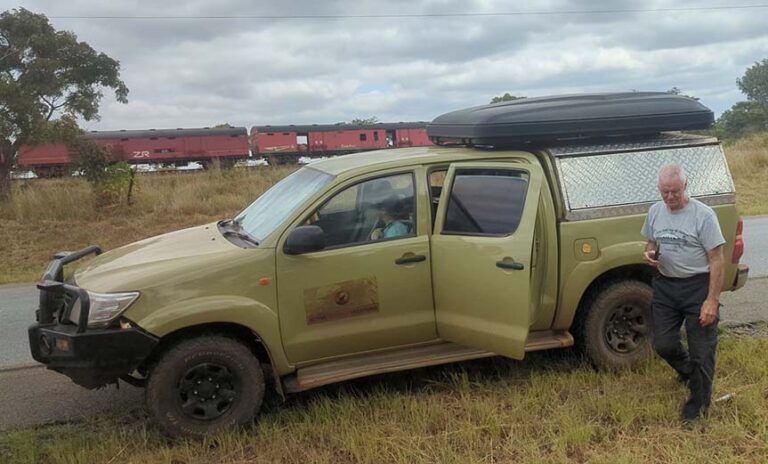
Toyota Hilux Double Cab 4×4
- Recommended Group Size: 2–4 Adults
- Off-Road Capability: High
- Fuel Consumption: 9–11 km/L (Diesel)
- Best Suited For: Multi-country trips, couples/small families wanting modern comfort & dual rooftop tents.
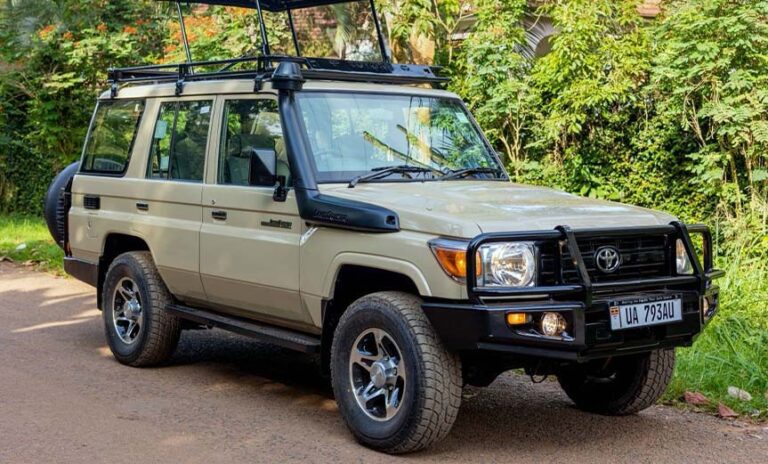
Land Cruiser LX – Hard Top
- Recommended Group Size: 2–5 Adults
- Off-Road Capability: Extreme
- Fuel Consumption: 6–8 km/L (Diesel)
- Best Suited For: Remote expeditions, Serengeti/Ngorongoro tracks, deep bush camping.

Toyota Land Cruiser V8 / GX
- Recommended Group Size: 2–5 Adults
- Off-Road Capability: Very High
- Fuel Consumption: 7–9 km/L (Petrol/Diesel)
- Best Suited For: Maximum passenger comfort, smooth highway cruising combined with strong off-road power.
Key Vehicle Selection Criteria:
- Engine & Drivetrain: Always insist on a true 4WD with high and low-range transfer gearboxes. A differential lock is highly advantageous when navigating wet clay in Uganda or soft dust in Tanzania.
- Ground Clearance: A lifted suspension setup with upgraded heavy-duty springs and all-terrain tires (e.g., BFGoodrich KO2) significantly reduces the risk of undercarriage strikes and punctures.
- Equipped Gear: Rental vehicles meant for overlanding must come fitted with dual battery systems (to run 12V fridges continuously), long-range fuel tanks or jerry can holders, built-in air compressors, and recovery tracks.
Rooftop Tent vs. Ground Tent vs. Lodge Accommodation
Where you sleep each night impacts your budget, flexibility, and overall connection to the African wild. Overlanders typically mix accommodation styles, but understanding the pros and cons of each setup helps tailor your itinerary.
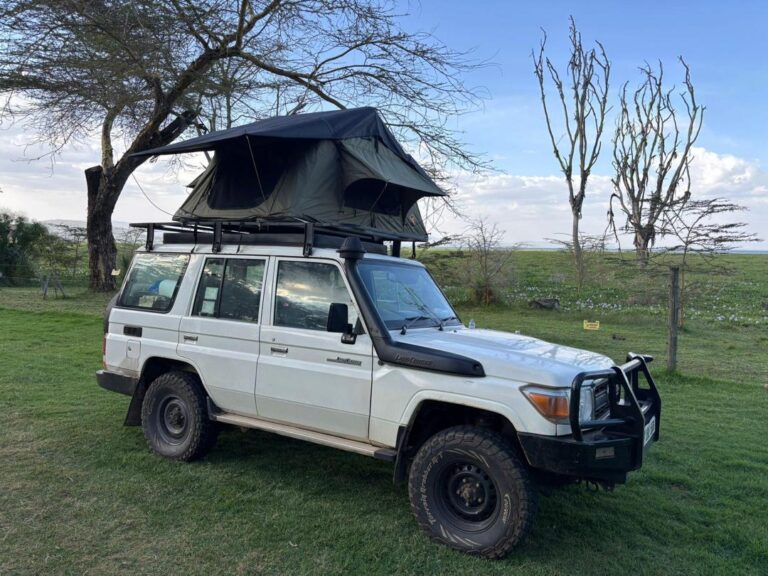
Option A: Rooftop Tent Safari
Rooftop tents are mounted directly onto the vehicle’s heavy-duty roof rack system. They fold out using an aluminum frame and integrated ladder system, featuring high-density foam mattresses permanently stored inside.
- Pros: Elevated high above the ground (safe from nocturnal wildlife, crawling insects, and damp soil); quick 5-minute setup and pack-down; built-in comfortable mattress.
- Cons: Must be packed away every time you drive out of camp for an early morning game drive; increases vehicle drag and overall height clearance; vulnerable to strong high-altitude winds.
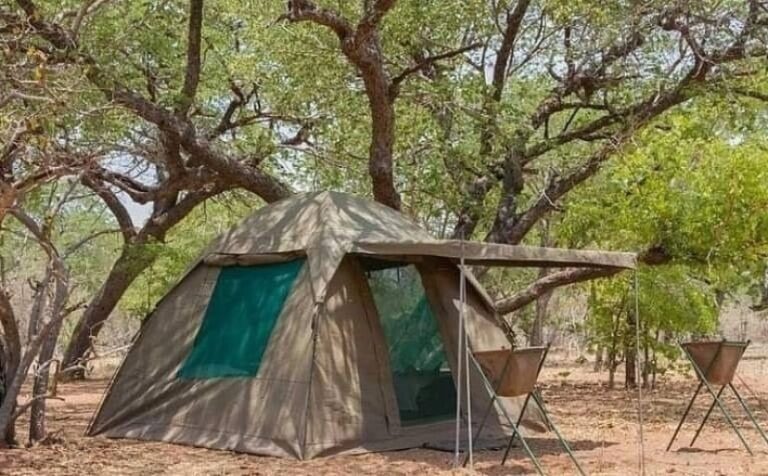
Option B: Ground Camping Setup
A traditional dome camping setup involves packing heavy-canvas or nylon ground tents, self-inflating sleeping pads, and sleeping bags into the rear cargo hold of your 4×4.
- Pros: Allows you to set up a semi-permanent basecamp and leave your tent behind while taking the 4×4 out on game drives; lower rental gear fee; lower vehicle center of gravity.
- Cons: Takes longer to pitch and take down; floor is prone to dampness during rainy seasons; requires vigilant camp hygiene to deter insects and wildlife.

Option C: Lodge & Tentated Camp Mix
This hybrid model involves driving a self-drive 4×4 but staying overnight in wild bush camps, eco-lodges, or safari glamping sites.
- Pros: Hot showers, flush toilets, prepared meals, and soft beds every night; no camp setup required after a long day behind the wheel.
- Cons: Much higher daily costs; requires rigid advance bookings, taking away spontaneous route changes.

Cross-Border 4×4 Rental Requirements
Crossing international land borders with a rental vehicle in East Africa is straightforward when you hold the correct legal documentation. Failing to secure these papers in advance can result in costly delays or denied entry at border posts.
Essential Vehicle Documents:
- Letter of Authority / Power of Attorney: An official signed and stamped letter from the 4×4 rental agency granting you explicit permission to drive their registered chassis/engine number into specified destination countries.
- Certified Copy of Logbook: Registration documents confirming ownership by the rental company.
- COMESA Yellow Card Insurance: A regional third-party motor insurance scheme recognized across East and Southern African member states. This avoids buying separate third-party insurance at every border.
- Temporary Import Permit (TIP): Issued at border customs for a small processing fee ($20–$50 depending on country). This allows the foreign-registered 4×4 to stay legally in the destination country for up to 30 days.
Passenger Entry Requirements:
- East Africa Tourist Visa (EATV): A single $100 multi-entry visa covering joint travel between Uganda, Kenya, and Rwanda. (Note: Tanzania is not part of the EATV agreement and requires a separate single/multiple-entry tourist visa).
- Yellow Fever Vaccination Card: Mandatory for entry at all land borders across East Africa.
Book Your 2027 Africa Overland Adventure
Planning a self-drive safari across East Africa requires locking in key components early. Demand for customized 4x4 rental vehicles with rooftop tents spikes during peak dry seasons, so securing your vehicle and permits well in advance ensures a smooth trip.
Ready-to-Book 4x4 Fleet Options
- Toyota Land Cruiser Prado (TX/TZ): Standard 4x4 equipped with camping gear or rooftop tent — ideal for couples and regional tours.
- Toyota Hilux Double Cab 4x4: Fitted with dual rooftop tents, 12V fridge, and full recovery kit — built for long-distance multi-country trips.
- Toyota Land Cruiser 70 Series Bushcamper: Heavy-duty off-roader with reinforced suspension and long-range tanks — designed for rugged terrain.