
14 Days Uganda 4×4 Self-Drive Road Trip with Camping & Lodging
A 14 days Uganda 4×4 self-drive road trip gives you enough time to experience several sides of Uganda without turning the entire holiday into a race between destinations. This Uganda self-drive itinerary combines the savannah wildlife of Murchison Falls National Park, the primate-rich forests of Kibale National Park, the open plains and Kazinga Channel of Queen Elizabeth National Park, the mountain landscapes around Bwindi, the peaceful waters of Lake Bunyonyi, and the rolling scenery of Lake Mburo National Park. It is designed for travelers who want the freedom of driving their own Uganda safari vehicle while choosing between comfortable lodges and genuine camping.
The route is intentionally built around a reliable 4×4 rental. Uganda has excellent paved highways on many major connections, but a safari road trip changes once you enter national parks, leave the main highways, or approach mountainous areas such as Bwindi. A 4×4 gives you better ground clearance, traction and confidence on murram roads, uneven game tracks and wet-weather sections. Current self-drive guidance also notes that a 4×4 is particularly useful on rougher park roads and on the winding approaches to Bwindi.
This is more than a standard Uganda safari itinerary. It is a road-trip plan for independent travelers who want to rent a 4×4 in Uganda, carry their own camping equipment if desired, stop for photographs, choose their own meal breaks, and spend longer at wildlife sightings when conditions allow. You can follow the complete itinerary as written, shorten individual drives, or use the camping and lodge alternatives to match your budget and travel style.


Quick Route Summary
| Day | Route / Base | Main Experience | Overnight |
|---|---|---|---|
| 1 | Entebbe/Kampala → Ziwa area → Murchison Falls | Drive north; optional rhino experience | Murchison Falls |
| 2 | Murchison Falls National Park | Game drive + Nile boat cruise | Murchison Falls |
| 3 | Murchison Falls → Kibale | Top of the falls + scenic road trip | Kibale/Fort Portal |
| 4 | Kibale Forest | Chimpanzee trekking + Bigodi | Kibale |
| 5 | Kibale → Queen Elizabeth | Crater-lake scenery + game drive | Queen Elizabeth |
| 6 | Queen Elizabeth | Game drive + Kazinga Channel cruise | Queen Elizabeth |
| 7 | Queen Elizabeth → Bwindi | Ishasha option + mountain roads | Bwindi |
| 8 | Bwindi | Gorilla trekking / forest experience | Bwindi |
| 9 | Bwindi → Lake Bunyonyi | Mountain scenery + relaxation | Lake Bunyonyi |
| 10 | Lake Bunyonyi | Rest, canoeing, walking and viewpoints | Lake Bunyonyi |
| 11 | Lake Bunyonyi → Lake Mburo | Scenic transfer + evening wildlife | Lake Mburo |
| 12 | Lake Mburo | Game drive / nature walk / cycling option | Lake Mburo |
| 13 | Lake Mburo → Entebbe/Kampala | Return road trip + optional equator stop | Entebbe/Kampala |
| 14 | Entebbe/Kampala | Departure or optional city day | — |
Why Choose a 14-Day Uganda 4×4 Self-Drive Safari?
- Freedom to choose your pace: A self-drive Uganda safari lets you decide when to leave camp, when to stop for photographs and how long to spend at a viewpoint. You are not tied to a group departure time.
- Access to Uganda’s wildlife circuit: This route links major safari and primate destinations by road. It combines savannah, tropical forest, mountains, crater lakes and freshwater landscapes in one trip.
- A better fit for independent travelers: Couples, families and small groups can use the same 4×4 rental for the whole road trip rather than changing vehicles between destinations.
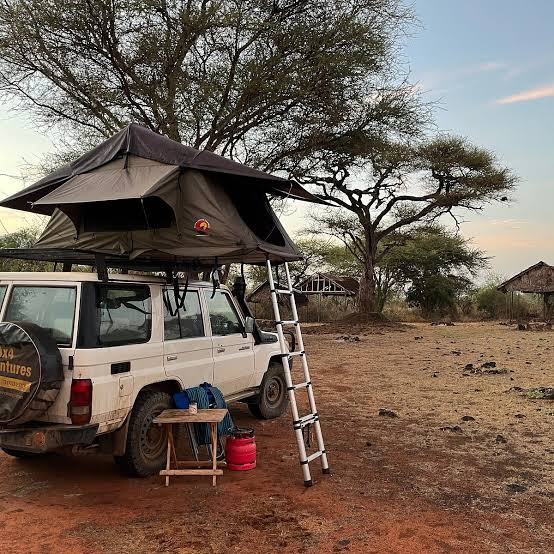
- Camping or lodging flexibility: A rooftop-tent 4×4 can turn the same route into a camping safari, while a Land Cruiser Prado, Land Cruiser V8, Hilux or similar vehicle can also be paired with lodges and guesthouses.
- A genuine Uganda road-trip experience: The journey itself becomes part of the safari. You pass villages, farms, tea-growing areas, crater lakes, hills, trading centres and changing landscapes rather than flying over them.
The Recommended 4×4 for a Uganda Self-Drive Road Trip
For this 14-day Uganda self-drive road trip, choose the vehicle according to the number of travelers, luggage, camping requirements and the amount of time you expect to spend on rough roads. A reliable high-clearance 4×4 is the practical choice for a complete national-park circuit. A vehicle with good tires, a full-size spare wheel, a jack, basic recovery equipment and a functioning 4WD system is particularly useful.

Toyota Land Cruiser Prado
- Best For: Couples, families, small groups
- Camping: Can work with camping setup depending on rental configuration
- Road-Trip Notes: Comfortable all-rounder for long paved drives and park tracks
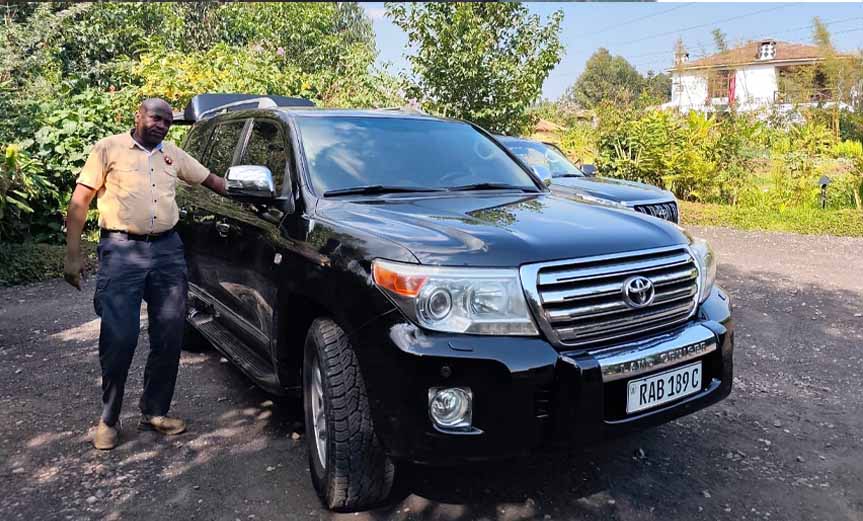
Toyota Land Cruiser V8 / 200 Series
- Best For: Families and groups wanting extra comfort
- Camping: Possible with suitable camping equipment
- Road-Trip Notes: Strong option for long-distance safari travel

Toyota Hilux Double Cab 4×4
- Best For: Couples/adventure travelers
- Camping: Excellent with rooftop tent or camping setup
- Road-Trip Notes: Useful combination of cargo space and rough-road capability
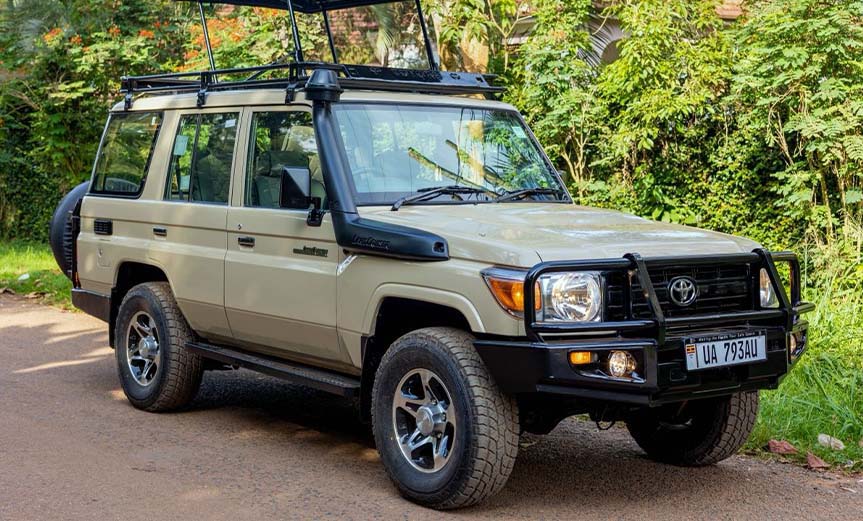
Toyota Land Cruiser Hardtop – 80 Series
- Best For: Budget-conscious safari groups
- Camping: Commonly configured for camping
- Road-Trip Notes: Practical and rugged for extended self-drive trips
Camping or Lodging: Which Style Works Best?
Option 1: Uganda 4×4 Camping Safari
A camping version of this 14-day Uganda road trip is ideal if you want more independence and lower accommodation costs. A rooftop tent is especially convenient because it keeps the sleeping area above the ground and can be packed away each morning. Depending on the rental package, camping equipment may include a rooftop tent, mattress, sleeping bags, chairs, table, cooking equipment, utensils and other basic safari gear. Confirm the exact equipment included before booking.
Camping does require more organization. You need to monitor fuel, water, food, weather, campsite availability and your daily driving time. Do not assume that every attractive clearing is a legal campsite. Use designated campsites or accommodation facilities that accept camping and follow national park rules.
Option 2: Uganda Lodge Safari by 4×4
A lodge-based Uganda self-drive safari is easier for travelers who want a comfortable bed, private bathroom and less equipment to manage. You can still enjoy the independence of self-driving while staying in safari lodges, tented camps, guesthouses and hotels.
A useful compromise is a mixed itinerary: stay in lodges for the more demanding trekking nights and camp on selected nights where a good campsite is available. This gives you the adventure of Uganda camping without requiring you to camp for all 13 nights.
THE DETAILED ITINERARY BREAKDOWN
DAY 1 – Entebbe or Kampala to Murchison Falls National Park
Begin your 14 days Uganda 4×4 self-drive road trip early in the morning. Pick up your 4×4 rental in Entebbe or Kampala, complete the vehicle inspection, confirm emergency contacts and begin the drive north toward Murchison Falls National Park.
The first day is deliberately a travel-and-settle-in day. Leave enough time for fuel, food, navigation checks and road conditions. If your timing allows, you can make a stop around the Ziwa area for a rhino experience before continuing north. Do not make the day too ambitious: arriving at your first campsite or lodge with daylight remaining makes setting up much easier.
Driving route
Entebbe/Kampala → Ziwa area → Masindi → Murchison Falls National Park. Exact distance and driving time depend on your starting point, road conditions, stops and the park gate you use.
What to do
- Pick up and inspect your 4×4 rental.
- Buy water, snacks and basic road-trip supplies.
- Refuel before entering remote areas.
- Optional rhino tracking around Ziwa if pre-arranged.
- Enter Murchison Falls National Park and settle into your accommodation.
- If time and park rules permit, enjoy a short late-afternoon drive.
Camping option
Use a designated campsite around the Murchison Falls/Paraa area or another established campsite that accepts self-drive campers. Ask your rental company or accommodation provider to confirm the current campsite status before departure.
Lodging option
Choose a safari lodge, tented camp, budget rest camp or guesthouse around the park. Staying close to your preferred game-drive sector can reduce unnecessary early-morning driving.
Self-drive tip
Do not drive quickly simply to reach the park. Uganda road traffic, pedestrians, motorcycles, livestock and unexpected stops can make the journey slower than a map estimate.
DAY 2 – Murchison Falls Wildlife Safari and Nile Boat Cruise
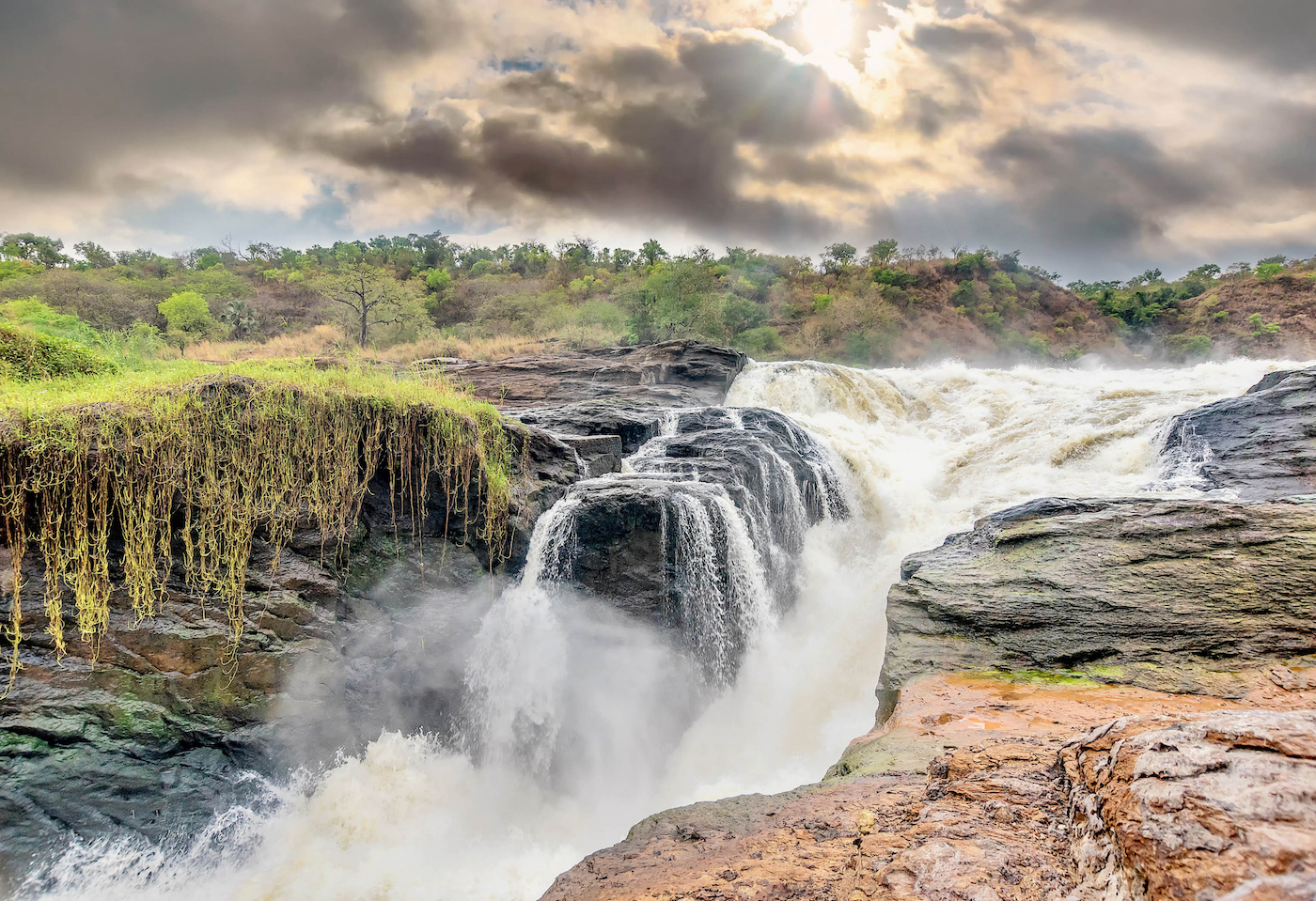
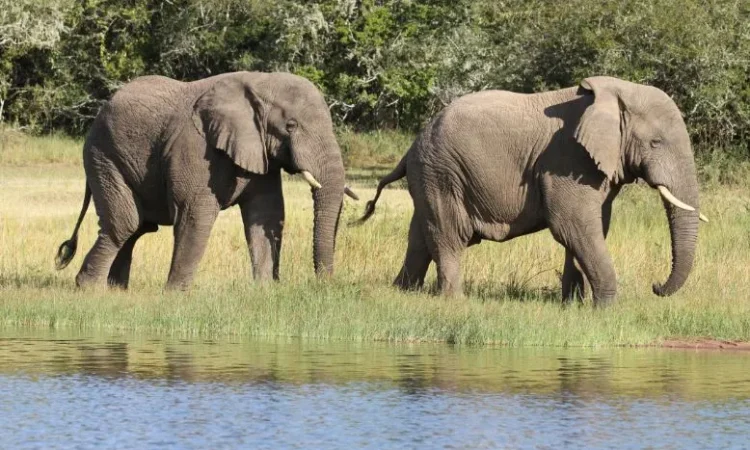
Day 2 is your first full safari day. Murchison Falls National Park is one of the headline destinations on a Uganda self-drive safari, combining open savannah, woodland, the Nile and the dramatic Murchison Falls. Current self-drive route guides identify Murchison Falls as one of Uganda’s major independent-driving destinations, while established 14-day itineraries commonly combine a morning game drive with a Nile cruise. citeturn0search2turn0search1
Morning game drive
Start early for a game drive in the northern sector. Watch the road edges and open plains carefully for elephants, buffaloes, Uganda kob, hartebeest, giraffes, waterbuck and other wildlife. Lions may be encountered, but wildlife sightings are never guaranteed.
Afternoon Nile cruise
After lunch and a rest, take a boat cruise toward the base of Murchison Falls. The river is a major wildlife viewing corridor, with hippos, crocodiles, waterbirds and other species often visible along the banks. The boat trip also provides a different perspective on the landscape than a game drive.
Camping option
Return to your established campsite before dark, cook dinner and prepare the vehicle for the next morning.
Lodging option
Choose a lodge or tented camp near your preferred park sector. Mid-range and luxury safari properties can be booked around the park, while simpler camps are available for budget travelers.
Self-drive safety
Never approach wildlife aggressively or attempt to force an animal to move. Keep a safe distance, remain inside the vehicle where required and follow Uganda Wildlife Authority instructions and park regulations.
DAY 3 – Murchison Falls to Kibale Forest
After breakfast, visit the top of Murchison Falls if your schedule allows, then begin the drive toward Kibale Forest. This is one of the longer road-trip days, so start early and treat the journey as part of the Uganda adventure rather than trying to squeeze in too many activities.
Why this route matters
The transition from Murchison’s northern savannah to the greener landscapes of western Uganda is one of the most interesting parts of a 14-day Uganda road trip. The scenery changes progressively as you travel toward Fort Portal and the Kibale region.
Camping option
Set up at an established campsite near Kibale Forest or Fort Portal. Arrive early enough to pitch the rooftop tent before darkness.
Lodging option
Stay at a forest lodge, safari camp, guesthouse or hotel around Kibale/Fort Portal. Kibale accommodation ranges from simple rooms to high-end forest lodges.
Road-trip tip
Keep a reasonable fuel reserve. On long Uganda road-trip legs, refueling in larger towns before entering remote areas is safer than relying on the next small trading centre.


DAY 4 – Kibale Forest Chimpanzee Trekking and Bigodi
Kibale is the primate heart of this itinerary. Spend the morning on a chimpanzee trekking experience, following the forest trails with the authorized trekking team. The experience is very different from a savannah game drive: visibility can be limited by vegetation, and the excitement comes from tracking signs, listening to calls and eventually finding primates in the forest canopy.
Afternoon Bigodi experience
After trekking and lunch, consider a Bigodi community or wetland experience. It adds cultural and ecological variety to the day and gives you a slower afternoon after the forest trek.
Camping option
Camp near Kibale at an established campsite. Keep food secured and follow campsite guidance concerning wildlife and waste.
Lodging option
Forest lodges, safari camps and guesthouses around Kibale offer convenient access to the trekking area.
Important planning point
Chimpanzee trekking permits and activity arrangements should be secured in advance, particularly during busy travel periods. Verify current requirements and prices before travel.
DAY 5 – Kibale to Queen Elizabeth National Park
Leave Kibale after breakfast and drive toward Queen Elizabeth National Park. This is a relatively scenic connection, with crater lakes, green hills and views toward the Rwenzori landscape depending on your route and weather.
Queen Elizabeth National Park is one of Uganda’s major wildlife destinations and is especially attractive for a self-drive road trip because you can combine game drives with the famous Kazinga Channel boat cruise. Current route information describes the main approach through Mbarara or Fort Portal/Kasese and notes that the park’s internal tracks are more suitable for a high-clearance vehicle, particularly when wet. citeturn0search12
Afternoon game drive
If you arrive early enough, use the remaining daylight for a short game drive around an accessible sector. Otherwise, check in, rest and save your energy for Day 6.
Camping option
Use a designated campsite around the Queen Elizabeth/Mweya/Kasenyi area, depending on your planned game-drive sector and current availability.
Lodging option
Choose from safari lodges, tented camps, guesthouses and budget accommodation around Mweya, Katunguru and other park approaches.
DAY 6 – Queen Elizabeth National Park: Game Drive and Kazinga Channel
Make Day 6 one of the signature wildlife days of your 14-day Uganda 4×4 self-drive road trip. Start with a morning game drive, then take the Kazinga Channel boat cruise in the afternoon.
Morning game drive
Explore the Kasenyi plains or another suitable game-viewing area. Look for Uganda kob, buffaloes, elephants, antelopes and lions. Wildlife is unpredictable, so allow time rather than chasing sightings at speed.
Kazinga Channel boat cruise
The Kazinga Channel is one of Uganda’s best-known wildlife viewing experiences. From the water you can observe hippos, crocodiles, elephants and abundant birdlife from a different angle.
Optional Ishasha planning
If you want to include Ishasha and its famous tree-climbing lion habitat, you can adjust the route on Day 7. However, road conditions and the condition of park tracks can affect the practical driving time.
Camping option
Return to your established campsite after the boat cruise, allowing enough daylight for cooking and vehicle preparation.
Lodging option
A lodge around Mweya or the park’s southern approaches gives you an easy base for the next morning’s departure.
DAY 7 – Queen Elizabeth to Bwindi Impenetrable Forest
Day 7 is one of the most important 4×4 driving days of the trip. If conditions and your chosen gorilla sector permit, route through the Ishasha area before continuing toward Bwindi. The alternative is a more direct route toward the northern or eastern approaches to Bwindi.
Bwindi’s access roads can be winding and slow. Published access guidance notes that some approaches involve long sections of murram and specifically recommends a 4WD vehicle for certain routes to Buhoma. citeturn0search10
Ishasha option
If you take the Ishasha route, allow time for a game drive and keep expectations realistic. Tree-climbing lions are a famous feature of the sector, but sightings are not guaranteed.
Bwindi arrival
Arrive before dark whenever possible. Mountain roads are more demanding at night, especially when you are unfamiliar with the route.
Camping option
Camp at a designated campsite near your selected Bwindi sector if camping is permitted and arranged. Choose the campsite based on the exact gorilla trekking trailhead you will use.
Lodging option
Book accommodation close to your gorilla trekking sector. Bwindi is divided into different trekking areas, so do not book a property simply because it says ‘Bwindi’ without checking its distance from your permit location.
DAY 8 – Bwindi Gorilla Trekking Day
Day 8 is the centerpiece for travelers adding gorilla trekking to a 14-day Uganda self-drive safari. Eat breakfast early, prepare your daypack and report to the correct trekking location at the time instructed by the authorities or trekking operator.
Gorilla trekking is physically demanding and can take substantially longer than a short forest walk. Conditions may be muddy, steep and humid. Wear suitable hiking footwear, carry water and follow the instructions of the trekking team. The actual gorilla encounter is governed by conservation rules designed to protect both people and gorillas.
After the trek
Return to your campsite or lodge for a late lunch and recovery. Avoid planning another major drive on this day. A quiet afternoon is valuable after a strenuous trek.
Camping option
Spend another night at the same established campsite to avoid unnecessary vehicle movement.
Lodging option
Stay close to the trailhead. This is one night where convenience can matter more than saving a small amount on accommodation.
DAY 9 – Bwindi to Lake Bunyonyi
After the demanding trekking day, drive toward Lake Bunyonyi for a change of pace. The lake is surrounded by steep terraced hills and small islands, making it one of the most scenic relaxation stops in a western Uganda road trip.
Things to do
- Relax beside the lake.
- Take a canoe trip with a local operator.
- Walk through surrounding communities where appropriate.
- Enjoy viewpoints over the hills and islands.
- Use the afternoon to catch up on rest, laundry and trip planning.
Camping option
Lake Bunyonyi has camping-oriented accommodation options. Confirm whether your vehicle can access the property and whether tents are pitched on a dedicated camping area.
Lodging option
Choose a lakeside guesthouse, cottage, eco-lodge or resort. A lakeside room is a good recovery option after Bwindi trekking.
DAY 10 – Full Lake Bunyonyi Relaxation Day
Keeping a full relaxation day in the itinerary prevents the 14-day Uganda road trip from becoming an exhausting checklist. Lake Bunyonyi is an ideal place to slow down before continuing toward Lake Mburo.
Suggested day
- Breakfast with a lake view.
- Canoeing or boat excursion.
- Optional cultural/community experience.
- Photography around the terraces and islands.
- Relaxation and early dinner.
For self-drive travelers, this rest day also gives you time to check tire pressures, inspect the vehicle, organize luggage, clean camping equipment and plan the remaining road trip.
Camping option
Remain at the same campsite and keep the day vehicle-light.
Lodging option
Remain at the same lodge or lakeside property. Booking two consecutive nights can make the trip more comfortable.
DAY 11 – Lake Bunyonyi to Lake Mburo National Park
Leave Lake Bunyonyi after breakfast and begin the drive toward Lake Mburo National Park. This leg brings you back toward central-western Uganda and creates a useful final safari stop before the return to Entebbe or Kampala.
En-route experience
Depending on your schedule, stop for lunch and photography around Mbarara or at a suitable cultural or scenic point. Avoid arriving at Lake Mburo too late if you want an evening game drive.
Evening wildlife
If your timing and park access permit, take an evening game drive. Lake Mburo is known for its landscape, zebras, impalas, eland and other wildlife, and its smaller scale makes it a useful final safari destination.
Camping option
Lake Mburo is well suited to camping, but use an established campsite and follow current park guidance. A rooftop tent makes a one-night stop straightforward.
Lodging option
Choose a safari lodge, tented camp or budget accommodation near the park. Staying close to a suitable gate reduces the morning transfer.
DAY 12 – Lake Mburo National Park Safari Day
Use Day 12 for a relaxed final safari experience rather than immediately driving back to Kampala. Depending on current park arrangements, you can choose a morning game drive, guided nature walk or another approved activity.
Morning game drive
Start early and explore the park’s open landscapes. Keep the vehicle speed low and watch for zebra, impala, buffalo, eland and other wildlife.
Nature walk or cycling option
Where officially available and appropriately guided, a walking or cycling experience can provide a completely different perspective from a vehicle-based safari.
Camping option
Return to your campsite after the activity and enjoy a final evening around the camp.
Lodging option
A lodge or tented camp provides an easy final safari night before the long return drive.
DAY 13 – Lake Mburo to Entebbe or Kampala
After breakfast, leave Lake Mburo and drive toward Entebbe or Kampala. The route uses major paved roads for much of the journey, but traffic around the Kampala metropolitan area can make the final section slower than expected.
Optional Equator stop
If your schedule allows, make a brief stop around the Uganda Equator for photographs, shopping and refreshments.
Vehicle return
If your rental agreement requires the vehicle to be returned on Day 13, allow plenty of time for inspection, fuel and traffic. If you have an airport departure on Day 14, returning the vehicle the previous evening can make the final morning easier.
Camping option
Camping is generally not necessary on the final night unless your rental schedule specifically requires it. A hotel or guesthouse in Entebbe or Kampala is usually more convenient.
Lodging option
Stay near Entebbe International Airport if you have an early flight, or stay in Kampala if you want an additional city experience.
DAY 14 – Entebbe / Kampala Departure Day
Your final day is deliberately flexible. Travelers with an afternoon or evening flight can use the morning for a relaxed breakfast, craft shopping, a short Entebbe experience or a final meal before airport transfer.
If your flight is early, keep the morning simple. Complete the vehicle return according to the rental company’s instructions and allow sufficient time for airport procedures.
CAMPING VS LODGING: SUGGESTED 14-DAY COMBINATION
| Night | Destination | Camping Style | Lodging Style |
|---|---|---|---|
| 1 | Murchison Falls | Designated campsite / rooftop tent | Safari lodge / tented camp / rest camp |
| 2 | Murchison Falls | Same campsite | Same lodge |
| 3 | Kibale/Fort Portal | Forest-area campsite | Forest lodge / guesthouse |
| 4 | Kibale | Same campsite | Forest lodge / safari camp |
| 5 | Queen Elizabeth | Park-area campsite | Safari lodge / tented camp |
| 6 | Queen Elizabeth | Same campsite | Same lodge |
| 7 | Bwindi | Sector-specific campsite | Gorilla-sector lodge / guesthouse |
| 8 | Bwindi | Same campsite | Same lodge |
| 9 | Lake Bunyonyi | Lakeside campsite | Lakeside lodge / cottage |
| 10 | Lake Bunyonyi | Same campsite | Same lodge |
| 11 | Lake Mburo | Park campsite | Safari lodge / tented camp |
| 12 | Lake Mburo | Same campsite | Same lodge |
| 13 | Entebbe/Kampala | Not usually necessary | Airport hotel / city hotel |
A Mixed Camping and Lodge Plan
For many travelers, the best Uganda 4×4 self-drive experience is not 13 consecutive nights of camping or 13 consecutive nights in lodges. A mixed plan gives you flexibility and comfort.
- Camp for the first two nights around Murchison Falls to experience a classic safari atmosphere.
- Use a lodge around Kibale after chimpanzee trekking.
- Choose a comfortable lodge around Queen Elizabeth for two nights.
- Use a lodge around Bwindi because gorilla trekking is physically demanding.
- Stay at a lakeside lodge at Lake Bunyonyi for recovery.
- Camp at Lake Mburo for a final outdoor night.
- Finish in an Entebbe hotel before departure.
Driving Times and Road Conditions
Driving times in Uganda should be treated as planning estimates, not guarantees. A route that looks short on a map can take much longer because of roadworks, traffic, livestock, motorcycles, village traffic, weather, road surfaces, border-style checks at some locations, photography stops and slow park tracks.
What to expect
- Major highways are generally the fastest part of the journey.
- Murram roads can become slippery or heavily rutted after rain.
- Mountain roads around Bwindi require patience and careful speed control.
- Inside national parks, wildlife has priority and game-drive speeds should remain conservative.
- Do not plan a long remote-road drive immediately after a physically exhausting trek unless necessary.
- Start long driving days early so you have more daylight for navigation and campsite setup.
Why a 4×4 Matters on This Route
Not every kilometre of this Uganda road trip requires four-wheel drive. Many main highways can be driven by ordinary vehicles. The reason to choose a 4×4 is that the itinerary deliberately leaves the main highways and enters national parks, forest approaches and rougher roads.
- Higher ground clearance helps on potholes, ruts and uneven tracks.
- Four-wheel drive improves traction on slippery surfaces.
- A strong suspension is valuable on corrugated roads.
- A full-size spare tire is important for remote travel.
- Roof-rack or camping capability is useful for travelers carrying outdoor equipment.
- A 4×4 provides additional confidence when weather changes road conditions.
Current self-drive guidance distinguishes between easy paved connections and rougher murram or park sections, with Bwindi approaches among the routes where a capable 4×4 is particularly useful. citeturn0search4turn0search10
What to Check Before Collecting Your 4×4 Rental
- Inspect all four tires and confirm the spare tire is usable.
- Confirm the jack and wheel-changing tools are present.
- Check that the 4WD system engages correctly.
- Confirm headlights, indicators, brake lights and hazard lights work.
- Photograph the vehicle before departure, including existing scratches and dents.
- Confirm the fuel type and fuel-tank procedure.
- Ask how punctures, breakdowns and recovery are handled.
- Confirm whether a rooftop tent and camping equipment are included.
- Ask for the emergency contact number of the rental company.
- Confirm park access and any documentation required by your rental agreement.
Uganda Self-Drive Safari Navigation Tips
Use more than one navigation method. Mobile data coverage can vary, and a route that appears straightforward online may change because of roadworks or local conditions.
- Download offline maps before leaving Kampala or Entebbe.
- Keep a physical or offline backup of your main route.
- Save accommodation locations before driving into remote areas.
- Do not blindly follow a navigation app onto an unsuitable local road.
- Ask your accommodation for the safest current approach road.
- Keep your phone charged and carry a power bank.
- Share your daily destination with someone you trust.
Fuel Planning for a 14-Day Uganda Road Trip
Fuel planning is one of the most important parts of a Uganda self-drive safari. Do not wait until the fuel warning light appears before searching for a station. Fill up in major towns when practical, particularly before entering remote national-park areas.
- Start each long driving day with enough fuel.
- Refuel before remote park sections.
- Know whether your vehicle uses diesel or petrol.
- Monitor fuel consumption rather than relying on the dashboard range alone.
- If carrying reserve fuel is permitted under your rental agreement and local safety rules, follow the rental company’s instructions.
Uganda Self-Drive Safari Packing List
Documents
- Passport and required travel documents.
- Driving licence and any required international documentation.
- Rental agreement and emergency contact details.
- Accommodation confirmations.
- Gorilla and chimpanzee trekking documentation where applicable.
- Travel insurance details.
Vehicle and camping equipment
- Offline navigation device or phone maps.
- Power bank and charging cables.
- Headlamp or flashlight.
- Spare tire and wheel-changing equipment.
- Basic recovery equipment if supplied by the rental company.
- Rooftop tent and sleeping equipment if camping.
- Camping chairs and table if included.
- Cooking equipment if included.
- Reusable water bottles.
Personal safari gear
- Lightweight long-sleeved clothing.
- Comfortable walking shoes.
- Rain jacket.
- Warm layer for cool mountain mornings.
- Hat and sunglasses.
- Camera and spare batteries.
- Small daypack for trekking.
- Insect repellent and personal toiletries.
How Much Time Should You Spend Driving Each Day?
A common mistake in Uganda self-drive itinerary planning is trying to maximize the number of destinations rather than the quality of the experience. Fourteen days sounds long, but Uganda is geographically diverse and some roads are slow.
The itinerary above deliberately places multiple nights in Murchison, Kibale, Queen Elizabeth, Bwindi and Lake Bunyonyi. This creates time for wildlife viewing and rest instead of moving every morning. The result is a more practical 14-day Uganda road trip for independent travelers.
Best Time for a Uganda 4×4 Self-Drive Road Trip
Uganda can be visited throughout the year, but road conditions vary. Drier periods are generally easier for self-driving, particularly when you plan to use murram roads and park tracks. Wet periods can produce greener landscapes and excellent photographic conditions, but they can also make some roads slower and more slippery.
If your priority is easy driving and predictable road conditions, discuss seasonal conditions with your 4×4 rental company before booking. If you travel during wetter months, build more time into your route and avoid scheduling your most demanding mountain drive immediately before an important flight.
Approximate Trip Budget Categories
The total cost of a 14-day Uganda self-drive road trip varies substantially according to vehicle class, season, number of travelers, accommodation standard, camping equipment, fuel consumption, park fees and activities. Instead of relying on one fixed package price, budget by category.
| Budget Category | What It Covers | How to Control Costs |
|---|---|---|
| 4×4 rental | Vehicle, insurance/terms, equipment depending on supplier | Compare vehicle type, rental duration and included camping gear |
| Fuel | All road-trip driving | Drive smoothly, plan fuel stops and avoid unnecessary detours |
| Accommodation | Campsites, lodges, guesthouses | Mix camping with mid-range lodging |
| Park fees | National park access and related charges | Verify current official rates before travel |
| Primate permits | Chimpanzee/gorilla experiences | Book early and verify current requirements |
| Boat cruises | Murchison and Kazinga activities | Compare current operator options and schedules |
| Food | Meals, groceries and drinks | Self-catering while camping can reduce costs |
| Insurance | Travel and vehicle-related cover | Understand exclusions before departure |
Booking Strategy for This 14-Day Uganda Self-Drive Itinerary
Book the fixed-date activities first, particularly gorilla trekking and chimpanzee trekking. Once those dates are confirmed, build the vehicle rental and accommodation around them. This prevents a common problem where the rental itinerary looks perfect but the key trekking activity is unavailable.
- Choose your travel dates.
- Secure the gorilla trekking date and sector.
- Confirm chimpanzee trekking arrangements.
- Reserve the 4×4 rental for the complete period.
- Book accommodation close to each activity.
- Confirm camping equipment if you are camping.
- Plan fuel and supply stops.
- Download offline maps and save emergency contacts.
Frequently Asked Questions About a 14-Day Uganda 4×4 Self-Drive Road Trip
Is 14 days enough for a Uganda self-drive safari?
Yes. Fourteen days allows a well-planned loop covering several major wildlife and primate destinations without requiring you to change locations every day. The key is to avoid adding too many remote parks to the same itinerary.
Do I need a 4×4 for Uganda?
A 4×4 is not necessary for every paved road in Uganda, but it is strongly recommended for a complete safari road trip that includes national parks, rough park tracks and mountain approaches. Bwindi access routes in particular can include challenging murram sections. citeturn0search4turn0search10
Can I camp during a Uganda self-drive safari?
Yes, where designated or permitted campsites are available. A rooftop-tent 4×4 is a practical way to combine independent driving with camping. Always confirm current campsite rules and availability.
Can I combine camping and lodges?
Absolutely. A mixed itinerary is often the most comfortable approach. Camp on selected safari nights and use lodges after chimpanzee or gorilla trekking.
Can I self-drive to Bwindi for gorilla trekking?
Yes, travelers can drive themselves to Bwindi, but the exact route must be matched to the gorilla trekking sector. Some approaches include winding murram roads, so allow enough time and use a capable 4×4. citeturn0search10
Is a rooftop tent good for a Uganda road trip?
It can be an excellent option for travelers who want camping flexibility. Confirm the tent, mattress, ladder, bedding and other equipment included in your specific rental.
Can I drive inside Uganda national parks without a guide?
Self-driving is possible in several Ugandan parks, but you remain responsible for navigation, safety and compliance with park regulations. Activity-specific services, such as boat cruises and primate trekking, are separately organized.
What should I do if it rains?
Slow down, reassess the road and avoid forcing a vehicle through mud that you cannot safely cross. Ask local accommodation staff about current road conditions and use the 4WD system according to the rental company’s instructions.
How far in advance should I book?
Book the vehicle and accommodation as early as practical during popular travel periods, and prioritize gorilla and chimpanzee permits because those activities determine the structure of the itinerary.
Can families do this road trip?
Yes, families can use a private 4×4 for the route. Choose a vehicle with enough passenger and luggage space, plan shorter driving days where possible, and confirm age and participation requirements for specific wildlife activities.
Can couples do this Uganda self-drive itinerary?
Yes. Couples can use a smaller 4×4 SUV or a Hilux/roof-tent setup depending on whether they prefer lodging or camping.
What is the biggest mistake on a Uganda self-drive safari?
Overloading the itinerary. Uganda rewards slower travel. Leave enough time for road conditions, wildlife sightings, rest and unexpected delays.
Why This 14-Day Uganda Self-Drive Route Works
This route works because it combines the major experiences travelers often want from a Uganda road trip without attempting to cover the entire country. Murchison Falls provides classic savannah wildlife and the Nile; Kibale adds chimpanzee trekking and rainforest; Queen Elizabeth adds game drives and the Kazinga Channel; Bwindi adds mountain gorilla trekking and dramatic highland scenery; Lake Bunyonyi provides a genuine recovery stop; and Lake Mburo gives you one final wildlife experience before returning to Entebbe or Kampala.
The itinerary also works for different travel budgets. A traveler with a rooftop-tent 4×4 can camp for much of the journey, while a couple or family can choose lodges throughout. A mixed camping-and-lodging plan provides a middle ground.
Book Your Uganda 4×4 Self-Drive Road Trip
If you are planning a 14 days Uganda 4×4 self-drive road trip, the vehicle is the foundation of the journey. Choose a reliable 4×4 with suitable ground clearance, good tires and enough luggage capacity for your group. If you want to camp, ask for a vehicle equipped with a rooftop tent and the camping equipment you actually need.
Before booking, provide your travel dates, number of travelers, preferred route, whether you want camping or lodges, and whether gorilla or chimpanzee trekking is included. A good rental plan should match the vehicle to the roads and activities rather than simply offering the cheapest available car.
Request a free quote for your Uganda 4×4 rental and start planning your 14-day Uganda self-drive safari.
Source and Planning Notes
Road and itinerary information in this article was checked against current web-published Uganda self-drive and destination guidance available in September 2026. Published sources describe self-drive routes linking Murchison Falls, Kibale, Queen Elizabeth and Bwindi, and highlight the need for capable vehicles on rougher murram and mountain access roads.
For park fees, trekking permit prices, accommodation availability, campsite rules, entry requirements and road conditions, confirm the latest information directly with the relevant authority, accommodation provider or rental company before travel. Conditions and prices can change.